
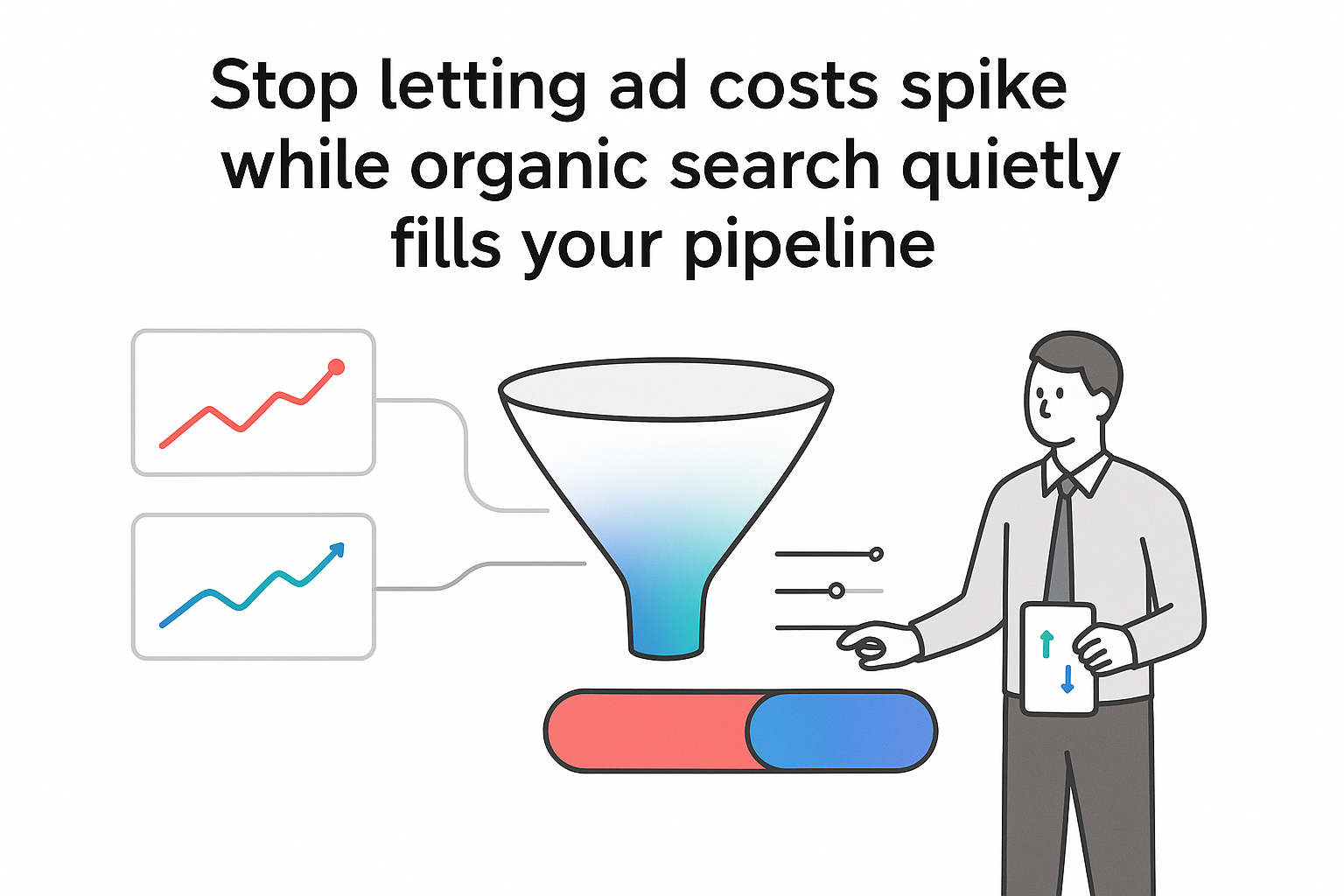
If my paid ads keep getting more expensive while the pipeline feels shakier every quarter, I’m not alone. A lot of B2B service companies hit a point where outbound and paid channels are close to tapped out, and growth starts to stall. That’s usually when SEO stops being a “nice to have” and becomes a practical lever for building steadier demand.
How SEO scales B2B service companies (beyond “more traffic”)
For a B2B CEO, the issue usually isn’t traffic for its own sake. It’s plateaued revenue, rising CAC from paid campaigns, and the absence of a predictable inbound pipeline. When SEO is executed with revenue in mind, it can turn search into a consistent source of qualified prospects who already recognize the problem and are open to a sales conversation.
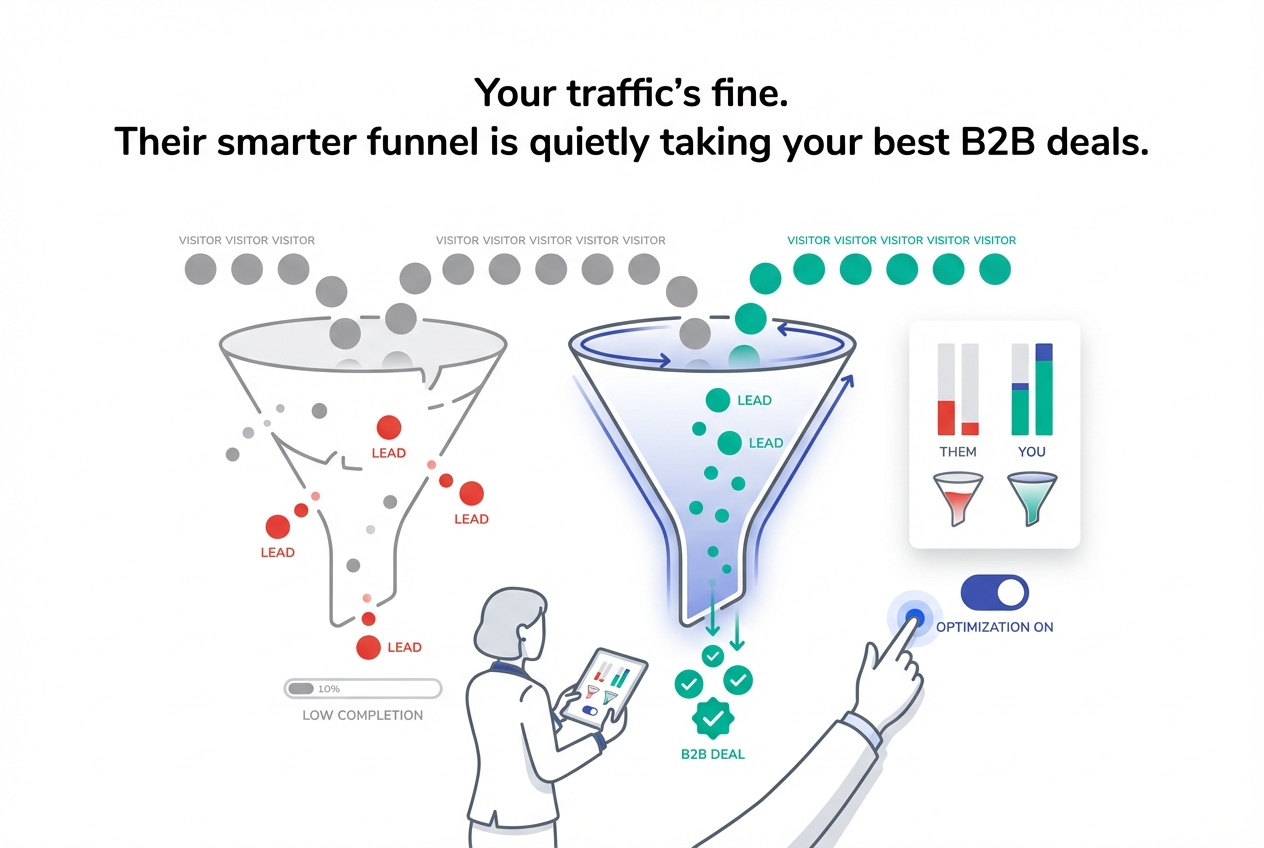
The compounding effect matters. Instead of paying every time someone clicks, I’m building pages that keep earning visits - and leads - month after month. In B2B services, that compounding shows up most clearly on high-intent pages (core service pages, industry pages, comparison pages, and “pricing” or “cost” explainers) because those are the pages most likely to influence demos, discovery calls, and qualified opportunities.
To keep this grounded, I like to connect SEO movements directly to pipeline metrics. Industry click-through-rate studies consistently show that moving from the bottom of page one into the top few results tends to increase clicks substantially, even when search volume stays the same. In practice, that can translate into a noticeable lift in form fills on the same service page - assuming the page matches intent and the conversion path is clear.
Here’s an illustrative scenario I use to make the mechanics tangible: a mid-sized cybersecurity consultancy selling retainers in a high-ACV range rebuilds key service pages, publishes a tight cluster around a specific “as-a-service” offering, and fixes obvious site friction. Over 6-12 months, organic sessions increase and, more importantly, inbound opportunities shift from mostly brand-driven to a healthier mix that includes non-brand, bottom-of-funnel searches. In cases like this, I often see organic CAC trend meaningfully lower than paid - though the exact gap depends on conversion rate, sales cycle length, and how well attribution is set up.
If you’re trying to reduce paid dependence while building a more resilient inbound engine, this complements the approach in Multilingual support content parity audits using AI and the measurement mindset in Quote-to-cash quality checks with autonomous AI reviewers.
What SEO means for B2B service companies
SEO for B2B service companies is the practice of making expertise, services, and proof discoverable to buying committees who research heavily before they ever talk to sales.
In B2C, search is often tied to fast, single-person purchase decisions. In B2B services, search is more about risk reduction. Volumes are lower, deal values are higher, and multiple stakeholders will read (and forward) content before anyone signs a contract. That means trust signals - clarity, specificity, proof, and credibility - carry as much weight as rankings.
At a practical level, I break B2B SEO into four parts:
- Technical SEO: making sure the site can be crawled, loads quickly, and avoids structural issues that block discovery
- On-page SEO: structuring each page so it matches intent, communicates clearly, and is easy to scan
- Content: building a library that answers real questions across early research, vendor evaluation, and decision stages
- Authority signals: earning credible mentions and links, and reinforcing brand demand so search engines (and humans) treat the company as a serious option
From the buyer’s perspective, the search journey usually moves from problem exploration (“why is this happening?”) to solution discovery (“what types of providers exist?”) to vendor comparison (“who should I trust, and what does it cost?”). I want to show up across that path, but I prioritize the moments most likely to influence pipeline: service selection, comparison, and decision-stage research.
Core B2B SEO strategies that actually drive pipeline
I think about B2B SEO as a connected system, not a single tactic. Some work increases visibility; other work turns that visibility into qualified conversations.
These are the strategy pillars I see matter most for service businesses:
- Keyword research mapped to buyer stages: I’m not chasing volume - I’m mapping terms to awareness, consideration, and decision so content supports how deals are actually won.
- High-intent service and industry pages: these pages do the heavy lifting, so I treat them like sales assets: clear positioning, outcomes, proof, objections, and a clean next step.
- Educational content that supports long cycles: I focus on content that sales can reuse to answer objections and accelerate consensus, not generic “trend” posts.
- Technical and UX foundations: if the site is slow, confusing on mobile, or hard to navigate, both rankings and conversion rates suffer.
- Authority building: credible third-party references (mentions, citations, and links) reduce perceived risk and strengthen competitiveness in search.
One hidden assumption that hurts teams here is believing “more content” automatically means “more leads.” In B2B services, a smaller set of sharper, decision-relevant pages often outperforms a high-volume blog strategy - especially if those pages mirror how prospects describe the problem in real sales calls.
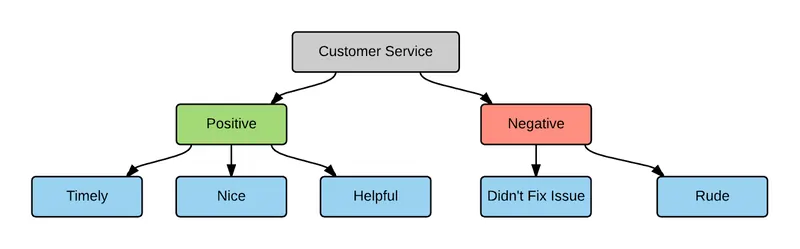
One practical way to tighten this is to treat Voice of Customer notes like research input. A lightweight qualitative data analysis pass over sales calls, support tickets, and win-loss notes can surface the exact language buyers use. That language tends to map cleanly to high-intent queries, objections, and comparison terms. If you have a lot of raw verbatims, even basic natural language processing (NLP) workflows can help cluster recurring themes without turning the project into a months-long exercise.
Turning traffic into leads (what most SEO plans underweight)
Traffic without leads is a common frustration, and it’s usually a mismatch problem: the page ranks, but it doesn’t fully satisfy the intent - or it makes the next step unclear.
When I optimize for lead generation, I treat conversion as part of SEO, not a separate discipline. That means I pay attention to “am I in the right place?” clarity, whether proof is close to the claim it supports, whether the primary CTA fits the intent (for example, decision-stage visitors typically want a direct next step), and whether the form or contact flow creates unnecessary friction.
I’m also careful with “one page for everyone” messaging. In many B2B services, a CFO, a technical stakeholder, and an operator are evaluating different risks. If my pages don’t speak to those different lenses - cost and payback, implementation reality, and operational outcomes - conversion rates usually cap out even if rankings improve.
This is also where consolidation matters: overlapping posts and near-duplicate service pages can dilute clarity and performance. If you suspect cannibalization, this is a useful companion read: b2b saas keyword cannibalization fixes.
How I measure SEO ROI, performance, and timelines in B2B
B2B leaders care about revenue, not impressions. So I frame SEO ROI as organic-sourced and organic-assisted pipeline and closed revenue, not just traffic.
A simple ROI model looks like this:
SEO ROI = (Revenue from organic-sourced or organic-assisted deals − Total SEO investment) ÷ Total SEO investment
I track progress with a mix of leading and lagging indicators:
- Leading indicators: visibility on target terms, qualified visits to core pages, indexation coverage, and growth in credible referring domains
- Lagging indicators: organic-influenced MQLs, SQLs, opportunities, and closed revenue (first-touch or assist, depending on the buying journey)
Timeline expectations need to match B2B reality. In many markets, I see early signs in roughly 3-6 months (better rankings on some terms, more relevant visits, incremental lifts in conversions on existing pages). More reliable influence on pipeline often takes 6-12 months because content needs time to earn visibility and because B2B deals take time to close. Past the 12-month mark, SEO can start to feel like a durable channel - especially if the company has built a defensible set of service pages, comparisons, and proof-driven content.
On measurement, I don’t rely on rankings alone. I want to see which pages appear in journeys that later become opportunities, which topics correlate with higher-quality SQLs, and where organic is acting as an assist that shortens the sales cycle or reduces paid dependence. If the reporting can’t connect to pipeline stages in some credible way, the program becomes easy to misjudge. For a more system-level view, see Event lead enrichment and deduplication with LLM pipelines.
Resourcing SEO: in-house vs agency vs hybrid (and what it costs in practice)
Once I treat SEO as a growth channel, the next question is who runs it. In practice, I usually see three models work.
In-house can work at small scale, especially if the website is already healthy and the company has clear positioning. The upside is context and speed of collaboration with sales. The downside is focus and depth - SEO often becomes “one more thing,” and technical debt or strategy-level content work slips.
A generalist SEO vendor can help with basic execution, but the failure mode in B2B services is predictable: activity reports that don’t translate into qualified pipeline. If the team can’t speak the language of buying committees, deal stages, and objections, the output often skews toward easy-to-produce content and surface-level optimizations.
A specialist team (internal hire, external partner, or hybrid) tends to work best when deals are complex, the ICP is narrow, and the sales cycle is long. The real differentiator isn’t “more traffic”; it’s the ability to tie SEO decisions to revenue outcomes and to prioritize decision-stage assets.
Budget varies widely, so I avoid pretending there’s one correct number. That said, I often see companies allocate a meaningful share of marketing spend to SEO when they’re actively trying to reduce paid reliance - especially if lifetime value is high and even a small increase in inbound opportunities moves the business. If I need to keep spend controlled, I narrow scope to the few services and markets that matter most, build measurement first, and expand only after I see signal.
Common mistakes I watch for include treating SEO as a one-time project, delegating it without senior oversight, chasing broad keywords that attract unqualified traffic, publishing “thought leadership” that doesn’t match real sales conversations, and ignoring site friction that quietly suppresses conversion.
A practical SEO roadmap I use for B2B service companies
I don’t think CEOs need a technical manual. I think they need a sequence that keeps strategy and accountability clear while letting the team execute.
Here’s the roadmap I rely on most often:
- Establish a baseline: technical health, current rankings on high-intent terms, and conversion performance on core pages.
- Define ICP and buying journey: align with sales on who buys, what triggers searches, and what objections appear late in deals.
- Map topics to intent: build a topic map across problem-aware, solution-aware, and decision-stage queries for each priority segment.
- Prioritize quick wins vs foundations: refresh pages already close to page one, fix obvious blockers, and decide what needs a deeper rebuild.
- Rebuild core pages: service, industry, and comparison pages written in the language buyers actually use, with proof and clear next steps.
- Publish supporting content: fewer, stronger pieces that sales can reuse to answer objections and build consensus.
- Strengthen authority and measurement: pursue credible third-party references and ensure reporting can connect organic activity to pipeline stages.
Where do I stay involved as a CEO? Mostly in the ICP and positioning decisions, the prioritization trade-offs, and the final standard for what “good” looks like on the core pages. If those are right, the rest becomes execution and iteration.
When you need messaging inputs that are truer to the market than internal opinions, structured customer feedback analysis can help validate which pain points, outcomes, and objections deserve decision-stage pages.
Keeping organic growth compounding (without turning it into a content treadmill)
Ongoing content matters in B2B, but “ongoing” doesn’t mean posting constantly. I prefer a steady cadence that reflects the sales cycle: decision-stage assets first, then the educational pieces that support evaluation and consensus.
The habit that drives the best ideas is simple: I anchor topics in real sales conversations. The strongest pages usually come from repeated questions in discovery calls, objections in proposals, and language in RFPs - not from chasing whatever looks popular in a keyword list.
I also revisit older content regularly. In B2B services, overlapping articles can dilute clarity and authority. Consolidating weaker pages into stronger ones, refreshing proof points, and updating examples tends to improve both rankings and conversion rates over time.
Key takeaways on SEO for B2B service companies
SEO works best for B2B service companies when I treat it as a pipeline system, not a publishing project. The goal is to earn visibility at the moments buyers are selecting vendors, reduce perceived risk with credible proof, and make the next step obvious.
If I get the fundamentals right - high-intent pages, clear positioning, technical stability, and measurement tied to pipeline - SEO becomes a steadier complement to paid and outbound. It won’t replace everything overnight, but it can reduce reliance on ad auctions and make growth feel less fragile quarter to quarter.
If you’re diagnosing why SEO activity is not translating into revenue, pair this with LLM agents that standardize CRM notes into reliable fields to tighten the connection between organic journeys and pipeline stages.



.svg)

.svg)
.svg)