
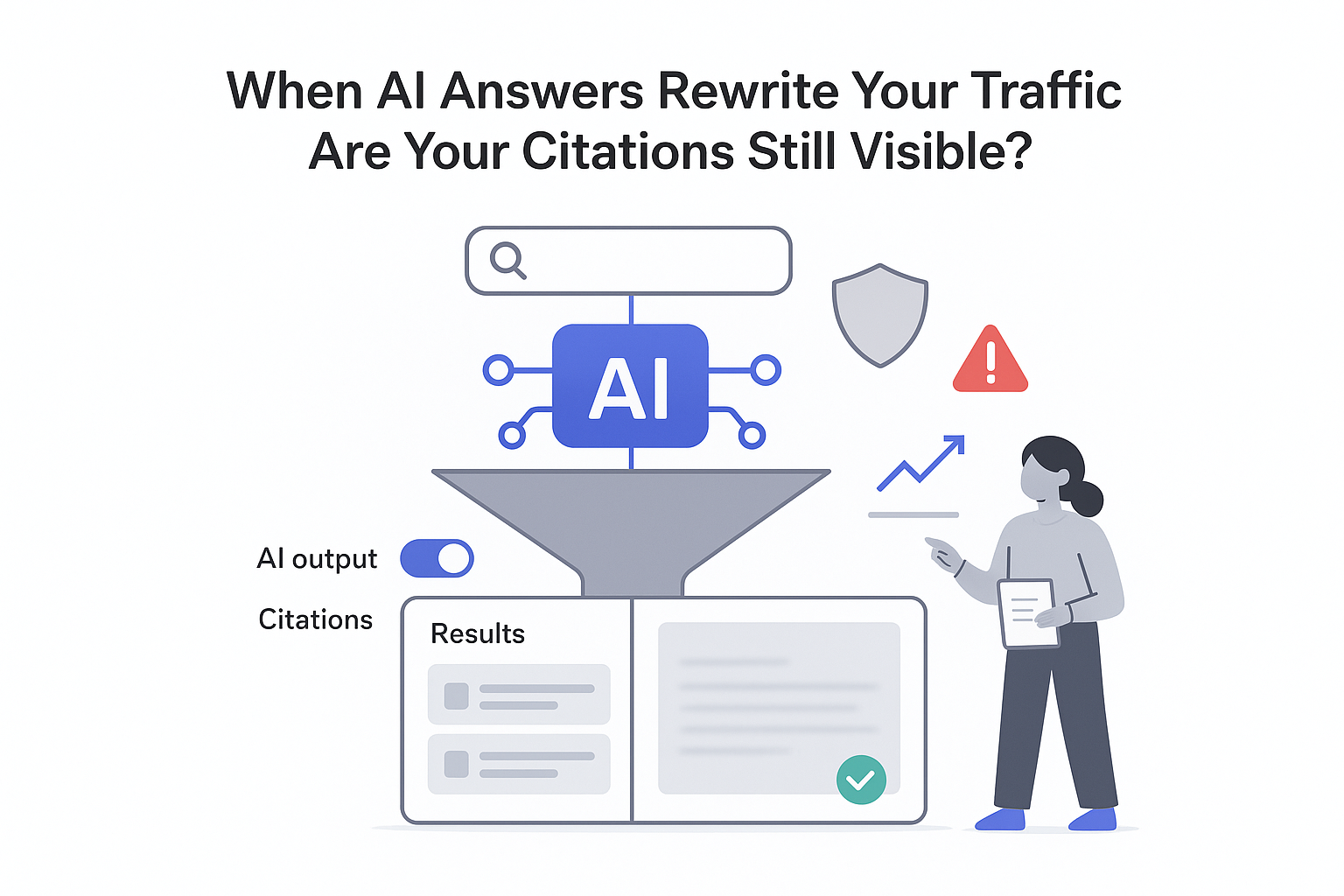
Microsoft has updated its Bing Webmaster Guidelines to cover how Copilot uses AI-generated answers and to introduce Generative Engine Optimization concepts. The revised guidance, now live on Microsoft's official site, also expands abuse definitions related to AI-driven manipulation.

Bing Adds GEO to Official Guidelines
The updated document explains how content can qualify for use in both traditional search results and Copilot's AI-generated responses. In addition to normal indexing and ranking, Microsoft now lists "grounding results and citations" as possible outcomes when Bing evaluates a page.
Microsoft also introduces the term Generative Engine Optimization (GEO), defined as activity that improves a page's eligibility to be used as a grounding source or reference within AI answers, without guaranteeing citations. Key points from the new GEO section include:
- GEO focuses on making content suitable for use as a grounding source in Copilot.
- GEO, like SEO, does not provide any guarantees of rankings or citations.
- Microsoft positions GEO as part of its overall webmaster guidance, not as a standalone product.
Meta Directives, Grounding Optimization, and AI Content Guidance
The revised guidelines explain in detail how robots meta directives affect Copilot responses and grounding. According to Microsoft, NOARCHIVE prevents content from appearing in Copilot answers and grounding results, while NOCACHE restricts Copilot to using only the URL, title, and snippet.
The document notes that DATA-NOSNIPPET and NOSNIPPET can limit the text available for citation in AI-generated responses. A data-snippet attribute lets site owners specify text blocks that Bing may display or quote. Microsoft warns that using NOCACHE on pages intended for Copilot can reduce the richness and detail of potential citations.
Bing added support for the data-nosnippet attribute in October, giving sites section-level control over snippets and AI summaries. The current guidelines build on that change with a new grounding optimization section that advises publishers to:
- State key facts explicitly rather than implying them.
- Use consistent entity names across pages.
- Keep URLs focused on a single primary topic.
- Place the most important information near the top of each page.
The section on automatically generated content has also been rewritten. The prior wording, visible in the previous version of the guidelines on the Wayback Machine, labeled all machine-generated content without human intervention as malicious and subject to penalties. The new text instead warns that large-scale content created without oversight or editorial review may be excluded from indexing.
Abuse Definitions, Removed Sections, and Source Citations
The abuse section of the guidelines has been significantly expanded to cover AI-specific manipulation methods. The former subsection titled "Keyword Stuffing OR loading pages with irrelevant keywords" is now "Keyword Stuffing and Artificially Engineered Language."
This updated section now covers content designed to trigger citations or AI responses, not just content aimed at traditional search rankings. It explicitly addresses text engineered to manipulate how Copilot or other generative systems reference a page.
The guidelines now also include a full section on "Prompt Injection and AI Manipulation." This section targets attempts to interfere with the language models used by Bing or Copilot, replacing a brief mention of prompt injection that previously appeared near the end of the document.
The update removes several technical sections, including detailed sitemap format guidance, JavaScript rendering recommendations, SafeSearch marking, and social media schemes.
New measurement guidance notes that lower click volumes may coincide with visibility through Copilot citations or grounding references, indicating that traffic metrics may not capture all exposure generated by AI answers.
The full, current Bing Webmaster Guidelines page reflects these changes and serves as the primary reference for publishers adjusting their SEO and GEO strategies.







.svg)

.svg)
.svg)