
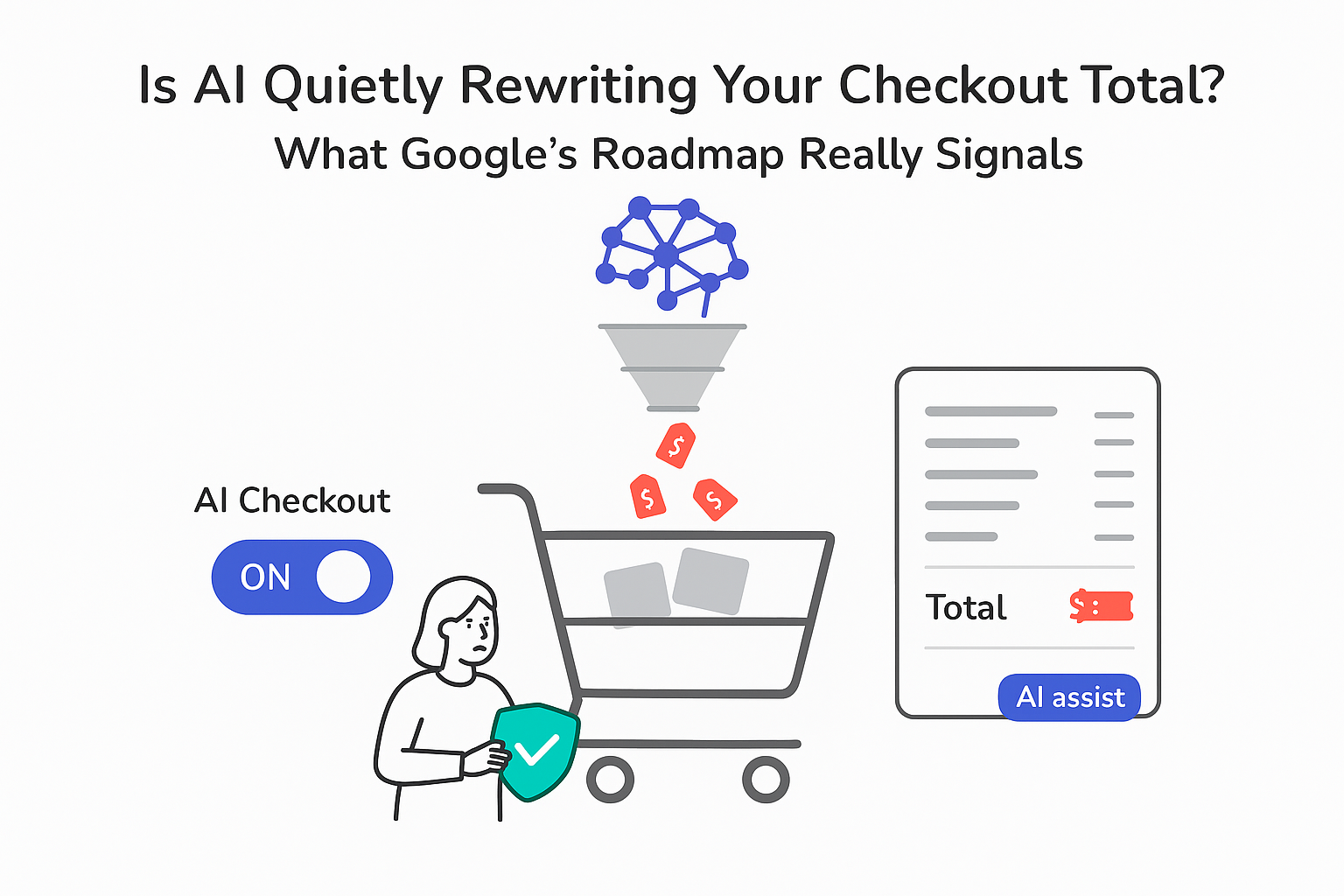
Google has rejected claims that its planned AI-powered checkout in AI Mode would let retailers raise prices for individual shoppers. The company responded after public criticism from Groundwork Collaborative's Lindsay Owens and U.S. Senator Elizabeth Warren on X. The dispute centers on Google's Universal Commerce Protocol (UCP) roadmap and a "Direct Offers" pilot for merchants.
Key Details
Owens criticized Google's Universal Commerce Protocol announcement in a post on X, highlighting roadmap language about "personalized upselling" and "cross-sell and upsell modules." She characterized this as using chat data to target individual shoppers in ways that could lead to overcharging.
Warren amplified the criticism in her own post, arguing that Google was using its data to help retailers "trick you into spending more money." Her comments focused on Google's plan to integrate shopping within AI Mode and Gemini.
Google's corporate account News from Google replied in a public thread on X, calling the claims "around pricing" inaccurate. The company pointed to existing rules that require merchants to show the same prices on Google that they display on their own sites.
In the same thread, Google clarified its use of "upselling" language, saying it referred to standard premium product suggestions rather than higher prices for the same item. Google also said its "Direct Offers" pilot is limited to discounts and benefits such as free shipping.
Background Context
The UCP roadmap lists "Native cross-sell and upsell modules" as a future feature. It describes these modules as enabling "personalized recommendations and upsells based on user context." Google's technical write-up on UCP also mentions support for real-time inventory checks, dynamic pricing, and instant transactions.
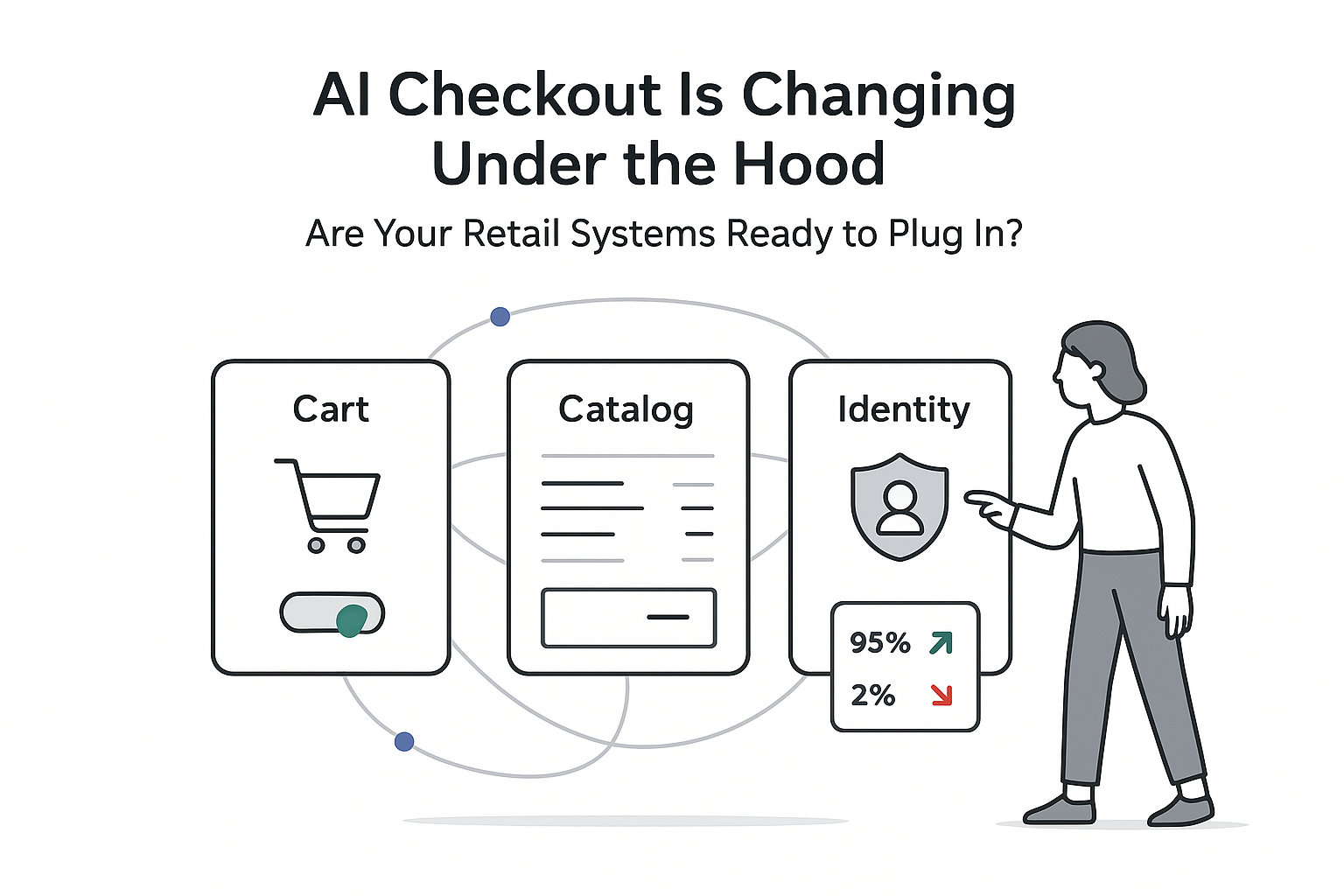
In its Ads and Commerce blog post, Google connects UCP to new AI shopping experiences across AI Mode and Gemini. The company says the protocol is designed to support the entire path from discovery to checkout, while retailers remain the seller of record. Google describes "agentic" retail tools that can handle browsing, selection, and purchase steps within a single conversation.
Google has long enforced price accuracy standards in its Merchant Center program. Retailers must match prices shown in Google listings with those on their landing pages. Google has previously suspended accounts and disapproved products when on-page prices differ from advertised prices.
Source Citations
The following primary sources outline the roadmap, technical design, marketing claims, and public reactions that informed this report:
- Universal Commerce Protocol roadmap describing planned cross-sell and upsell modules and "personalized recommendations."
- Google Developers technical write-up on UCP detailing the protocol's design and references to dynamic pricing.
- Google Ads and Commerce blog post explaining how UCP connects to AI Mode, Gemini, and new "agentic" shopping flows.
- Lindsay Owens on X criticizing Google's use of "personalized upselling" language in the roadmap.
- Senator Elizabeth Warren on X expanding on the criticism and alleging Google helps retailers push higher spending.
- News from Google on X rejecting the individualized pricing claims and restating Google's restrictions on merchant pricing behavior.






.svg)

.svg)
.svg)