
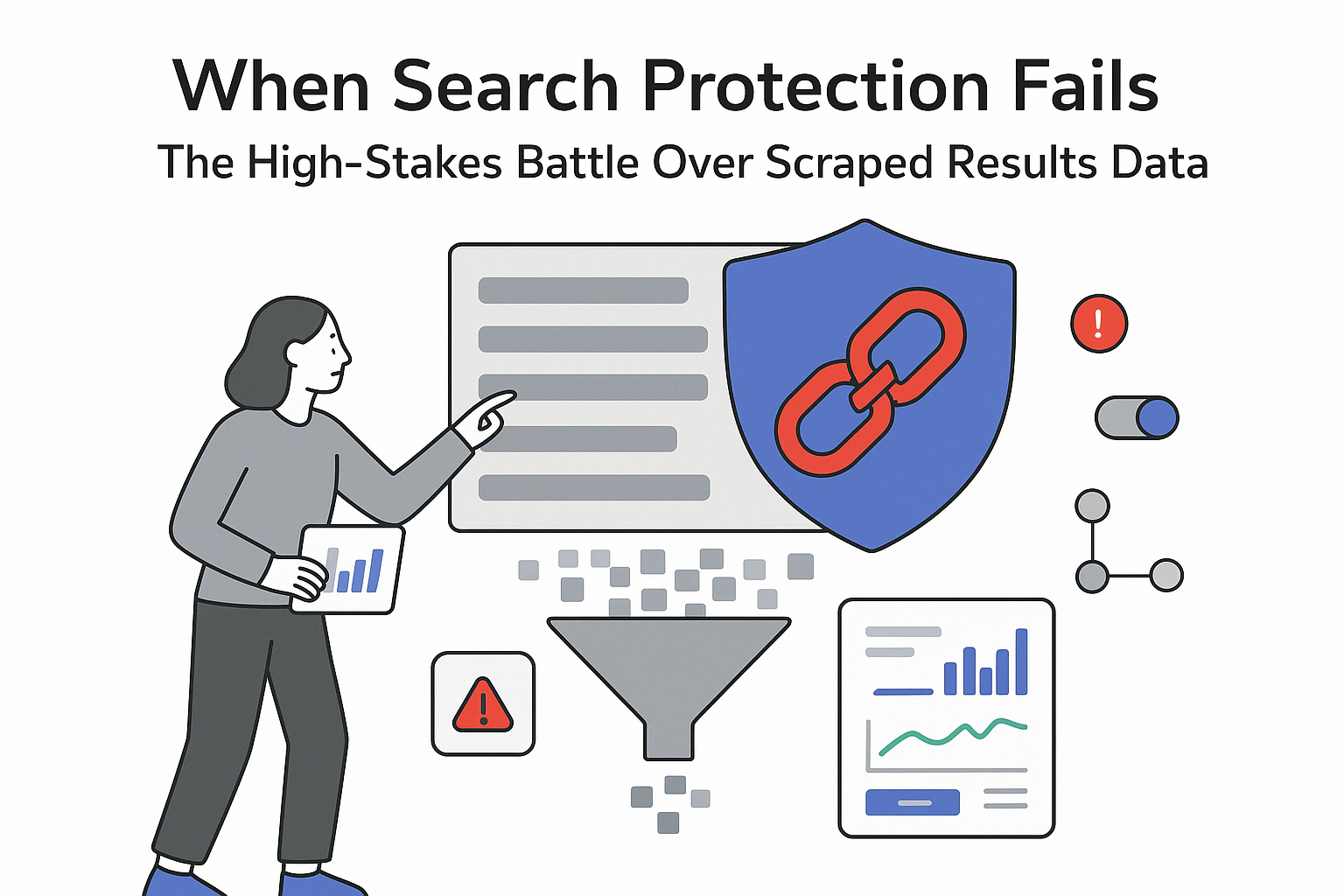
Google has filed a DMCA lawsuit against SerpApi in the U.S. District Court for the Northern District of California, alleging the company bypassed Google's SearchGuard system to scrape and resell copyrighted content from search results at scale. The complaint, alleging violations of the Digital Millennium Copyright Act (DMCA), details how Google claims SerpApi accessed protected search content. In a public blog post, Google said it had sued SerpApi and outlined its rationale for bringing the case.
Google files DMCA suit targeting SerpApi's SERP scraping
According to Google, the lawsuit centers on alleged circumvention of SearchGuard, a protection system used on Google Search results pages. The complaint claims SerpApi developed tools that defeat SearchGuard so automated systems can access and copy search content at scale.
Key facts from the filing include:
- Google brings claims under DMCA Section 1201(a)(1) for circumvention of a technological protection measure.
- Google also brings claims under Section 1201(a)(2) for "trafficking" in circumvention technologies and services.
- The complaint states Google may seek statutory damages of $200 to $2,500 per violation.
- Google asks the court for an injunction halting the alleged conduct and requiring destruction of circumvention technology.
- Google alleges SerpApi "scrape[s] this copyrighted content and more from Google" and resells it to customers for a fee.
- Google estimates SerpApi submits "hundreds of millions" of automated search requests daily, with volume rising by about 25,000% over two years.
The filing describes SearchGuard as a system that sends a JavaScript "challenge" to unrecognized sources. It alleges SerpApi responds by misrepresenting request attributes - such as device type, software, or location - to gain authorization. The complaint cites SerpApi's founder as describing the approach as "creating fake browsers using a multitude of IP addresses that Google sees as normal users."
Background context and related scraping litigation
Google states SearchGuard launched in January and initially blocked SerpApi's automated queries. The complaint alleges SerpApi then developed methods to bypass the system so its service could continue accessing search results. Google characterizes SearchGuard as a technological measure that controls access to search results pages and the copyrighted works they contain.
The filing highlights licensed and partner content embedded in Search features. It notes that Knowledge Panels often contain copyrighted photographs licensed from third parties. It also points to merchant product images in Shopping and third-party imagery in Maps as examples of content allegedly copied and resold without authorization.
The complaint asserts SerpApi "free rides" on these investments by copying licensed material and selling access via its API. Google states SerpApi "reportedly earns a few million dollars in annual revenue" and argues damages alone would not stop the alleged activity. As a result, Google requests both monetary relief and permanent injunctive measures.
Google's blog post situates the case within a broader pattern of scraping disputes. It notes other recent litigation, including Reddit's October lawsuit against SerpApi and additional scraping companies over alleged unauthorized data collection. The filing also follows Judge Amit Mehta's August 2024 liability ruling in the separate U.S. search antitrust case against Google, which addresses different legal questions.
Initial social media commentary has framed the SerpApi lawsuit as potentially significant for scraping-based and AI products. One X reaction described it as a major risk for AI tools that rely on large-scale data collection, while one post went further, calling the case "the end of ChatGPT." These views are speculative and have not been addressed in Google's filings.
Source citations and official documents
Key public documents and primary sources related to the case include:








.svg)

.svg)
.svg)