
Microsoft has shared new guidance on duplicate content and AI search visibility in a December 2025 Bing Webmaster Blog post. The company explains how large language models and AI-powered search experiences cluster similar pages, and how site changes and IndexNow notifications influence which URLs appear in AI-generated answers.
Microsoft explains how duplicate content affects AI search visibility
The new guidance focuses on how AI search systems treat similar or overlapping URLs and how they choose a single source page when multiple versions of the same content exist. The post is authored by Fabrice Canel and Krishna Madhavan, Principal Product Managers at Microsoft AI.
Key details
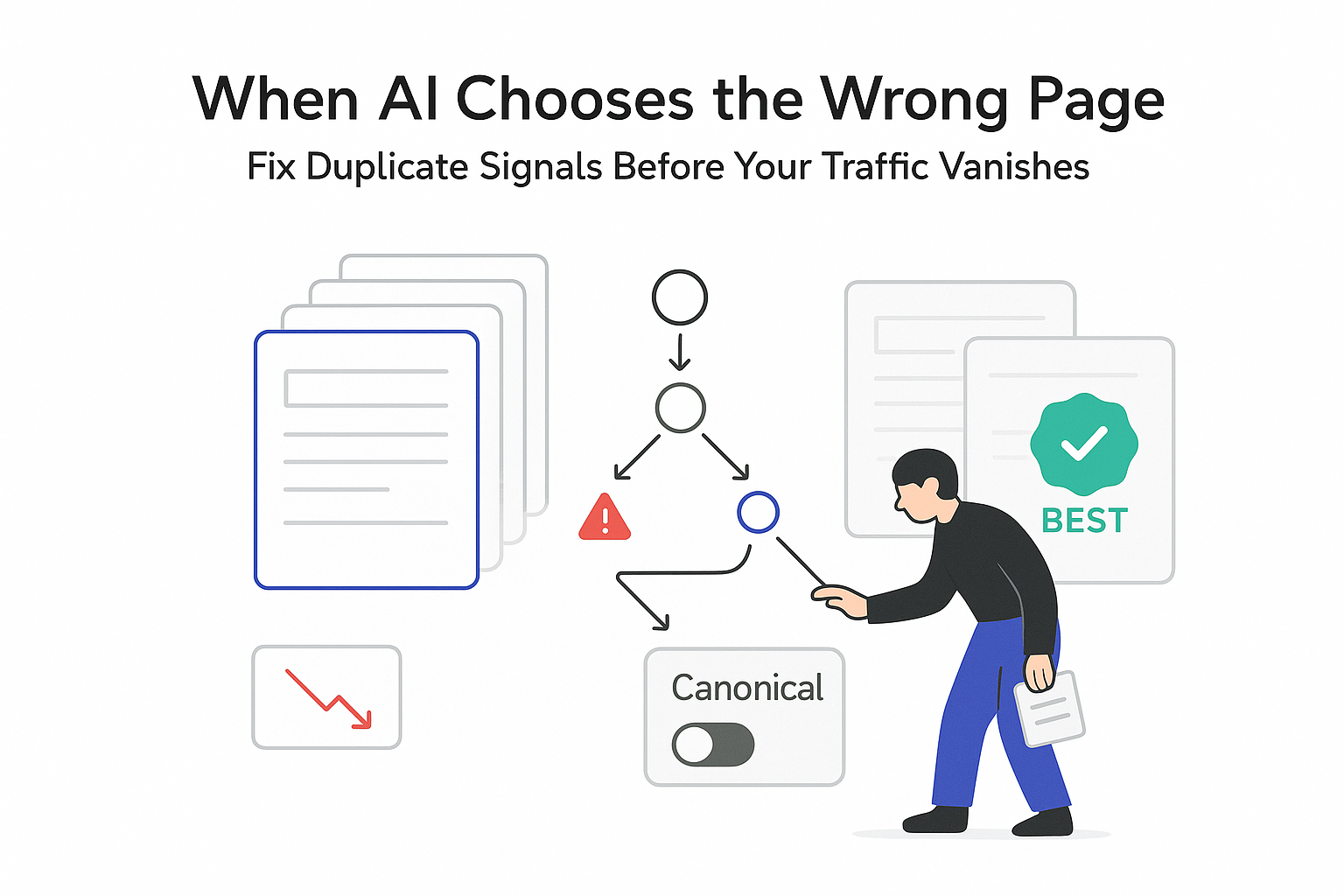
According to the post, large language models group near-duplicate URLs into a single cluster and select one representative page for indexing and AI answers. Because differences between pages in a cluster can be minimal, the system may surface an outdated or unintended version instead of the URL site owners want AI systems to use.
Duplicate or overlapping pages can blur intent signals, making it harder for search systems to identify a preferred URL. Combined with clustering, this means a single page may represent several similar URLs in AI search results. Microsoft also notes that crawl time spent on redundant URLs can delay updates being discovered on higher-priority pages.
The guidance outlines several common sources of duplicate or near-duplicate content. Syndicated articles published across partner sites can obscure the original source unless publishers use canonical tags and limit partners to excerpts. Technical variations - such as URL parameters, protocol differences, casing, trailing slashes, printer-friendly views, or exposed staging environments - can also generate additional copies of the same content.
For campaign pages that target the same topic, Microsoft recommends designating a primary page and consolidating or retiring older versions, while pointing secondary variants to the main URL with canonical tags or redirects. For regional or localized pages, the company advises adding meaningful differences - for example, local terminology, regulations, pricing, or product availability - so that each version has a clear purpose.
After consolidating or removing duplicates, Microsoft positions IndexNow as a way to accelerate re-crawling and index updates. When pages are merged or canonical signals change, IndexNow notifications help participating search engines learn about the changes faster, which can reduce the time outdated URLs remain in indexes or appear in AI-generated results.
Background context and source citations
The guidance appears in a Bing Webmaster Blog article titled "Does Duplicate Content Hurt SEO and AI Search Visibility," aimed at site owners focused on both traditional search performance and AI-powered experiences. The post explains how search indexes and AI systems typically select a single URL as the representative source when similar pages exist.
Canel and Madhavan, listed as Principal Product Managers at Microsoft AI, describe technical causes of duplication and recommend reinforcing preferred URLs with signals such as canonical tags, redirects, hreflang, and IndexNow notifications. They state that reducing overlapping pages and promoting one authoritative version helps search engines consistently choose the right representative URL for both ranking and AI-generated answers.
Microsoft supports the guidance with official resources, including:






.svg)

.svg)
.svg)