
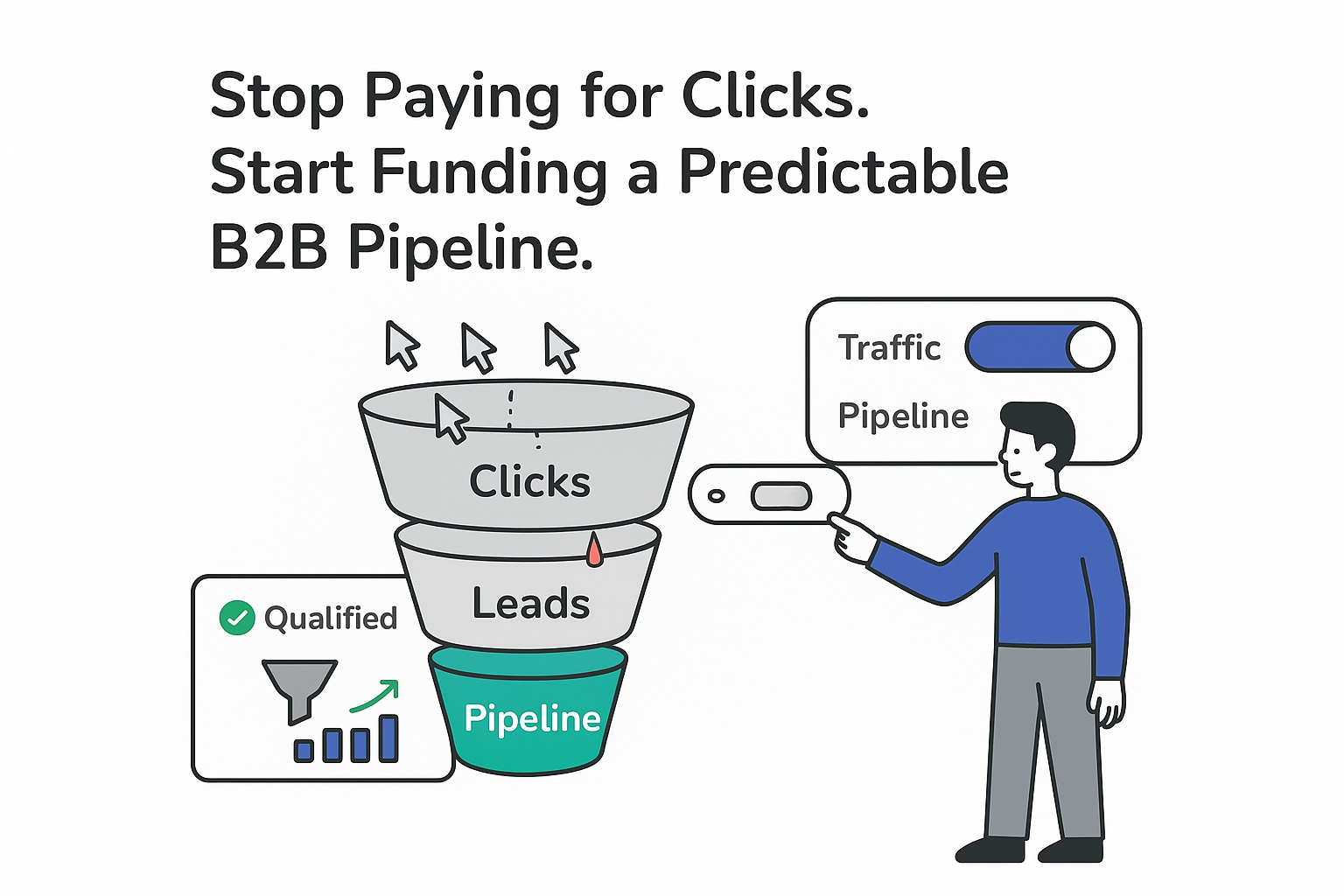
If you run a B2B service business, you’ve probably asked yourself a blunt question at least once: “Do search ads for B2B actually work, or am I just buying expensive clicks?” My answer is yes - B2B Google Ads can work very well - but only when they’re built around your sales cycle, your ICP, and your pipeline, not just traffic.
In my experience, the best results come when I treat Google Ads as a pipeline input, not a lead generator in isolation. I’ve watched campaigns increase sales-qualified lead volume in a matter of months without increasing spend - simply by tightening intent, fixing search terms, and aligning landing pages with what buyers actually want at that moment. The pattern is consistent: the account improves when the goal shifts from “more form fills” to “more qualified conversations.”
I like to think about the journey as a straight line that I can measure end-to-end:
Search → Ad click → Landing page → Lead → Opportunity → Revenue
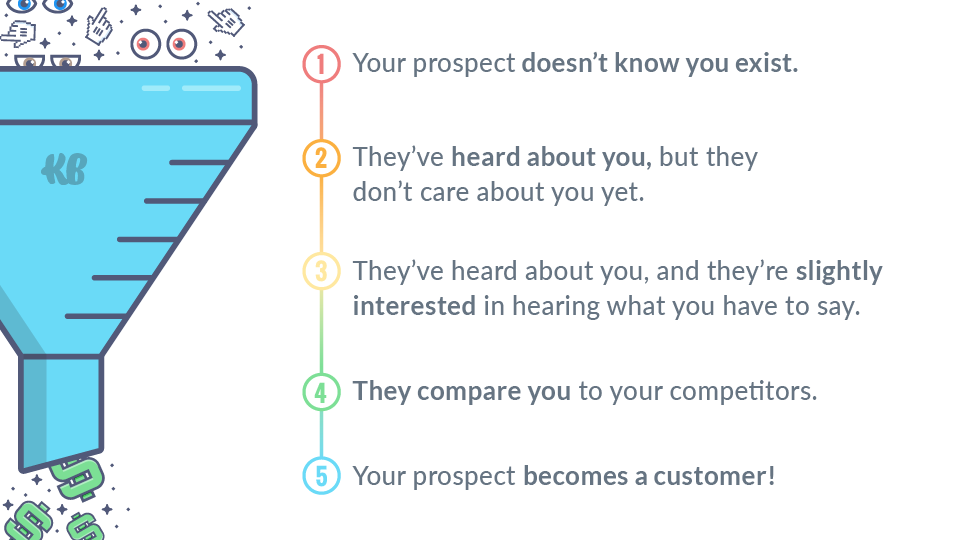
The rest of this guide is about making each step in that line intentional, measurable, and profitable.
Do B2B Google Ads actually work?
B2B Google Ads work best when I stop chasing cheap leads and start chasing qualified demand. That sounds obvious, but plenty of accounts still optimize for volume (or vanity metrics) and then wonder why sales rejects most inbound leads.
When B2B Google Ads are set up around intent and sales stages, I typically get three advantages:
-
High intent
Someone searching “managed IT services for law firms” or “ISO 27001 consulting pricing” is signaling they’re already evaluating solutions. I’m not interrupting them - I’m showing up at the moment they’re actively looking. -
Control
I can choose which queries I appear for, which regions I target, what the ad says, and which page the click goes to. That level of control matters more in high-ticket services where one bad segment can waste a meaningful portion of the budget. -
Clear feedback loops
With proper tracking and CRM alignment, I can connect keywords and landing pages to meetings, opportunities, and revenue - not just “conversions.” That makes optimization practical instead of guesswork.
The biggest misconception I still hear is “our buyers don’t click ads” or “our buyers don’t use Google.” In reality, most B2B buying journeys include search - and Google owns approximately 90% of the search engine market share, so it’s where that demand usually shows up first.
What often doesn’t work is bidding on broad, generic terms that attract research traffic, job seekers, or small companies outside the ICP.
How B2B Google Ads differ from B2C (and what that changes)
A B2B Google ad is a paid search result triggered by a query. You pay when someone clicks. That’s the simple part.
The harder part is that B2B differs from B2C in ways that change how I structure and measure everything: search volume is usually lower, value per lead is higher, sales cycles are longer, and there are typically multiple stakeholders involved. Buyers do more comparison, more internal justification, and more risk evaluation before they talk to sales.
Because of that, I rarely judge performance based on surface-level metrics alone (CTR, CPC, raw lead volume). Instead, I keep asking: does this traffic reliably progress from lead to SQL to opportunity?
Practically, most B2B service firms still get their most predictable intent from Search campaigns. Other campaign types can help in specific situations, but if the goal is “capture demand when it exists,” search is usually the foundation.
Building campaigns around intent, not traffic
A clean structure is less about aesthetics and more about decision quality. When everything is lumped together - mixed services, mixed intent, one generic landing page - reporting becomes muddy and optimization turns into opinion.
The simplest structure I’ve seen work consistently is: campaigns aligned to core service lines (or verticals), with tightly themed groups inside each campaign based on intent. I’m looking for clusters like “high-intent solution terms,” “competitor comparisons,” and “brand terms.” Problem-based keywords can work too, but I treat them carefully because they often bring early-stage researchers who aren’t ready to talk.
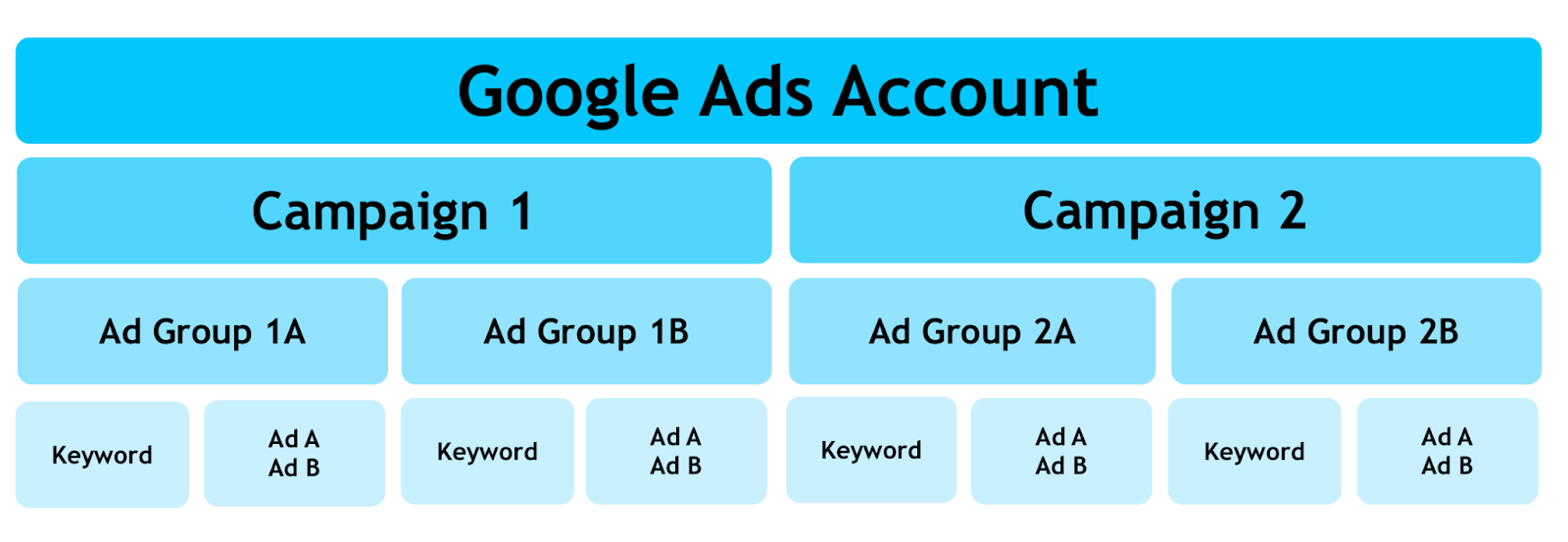
If you want a deeper walkthrough, here’s a more detailed breakdown of B2B Google Ads account structure and what to change when quality drops.
For keyword discovery, I get better inputs from real customer language than from any interface. Sales calls, discovery notes, RFP phrasing, and form submissions usually reveal the exact words that turn into revenue. Once campaigns are live, search term reports become the most valuable dataset - because they show what people actually typed, not what I guessed they would type.
Negative keywords are a major lever in B2B because they protect budget from mismatched intent. In most service categories, I usually need to filter out some mix of job intent, education intent, definition intent, and bargain intent, depending on the niche. If you want a practical starting point, see negative keywords: the cheapest way to cut waste.
I also avoid getting overly attached to any one structure trend. Extremely granular builds can be useful for a few top keywords, but many B2B accounts perform better when each group represents a single intent and points to a single, highly relevant page. Clarity beats complexity.
Audiences, ad copy, and landing pages (message match)
Keywords tell me what someone is looking for; audiences help me estimate who is looking. For B2B, I usually start by layering audiences in observation mode so I can learn which segments produce qualified outcomes without restricting reach too early. Once volume is high enough (or quality is inconsistent), I may switch certain areas to stricter targeting.
Remarketing for search can be especially useful in long sales cycles because it recognizes a basic truth: buyers often don’t convert on the first visit, but they do come back and search again when timing changes internally. (If you’re building this out deliberately, see smart remarketing architecture for B2B.)
Ad copy and landing pages are where many B2B accounts quietly bleed budget. Search ads reward relevance and clarity more than cleverness. The best-performing ads tend to do three things: state the outcome (risk reduced, pipeline improved, time saved), add specificity (industry, company type, situation), and include proof in a grounded way (a concrete result, a credible credential, or a clear mechanism).
Example outcome-focused ad copy (for a service category, not an agency pitch):
Headline: ISO 27001 Consulting for SaaS Teams
Headline: Get Audit-Ready With a Clear Plan
Description: Scope, gap assessment, and implementation support. Built for teams that need a practical path to certification.
Where the click lands matters just as much as the ad. If the keyword and ad are specific, but the landing page is generic (“full-service solutions” language, broad navigation, unclear next step), conversion rate drops - and lead quality often drops with it. If you’re deciding between page types, this guide on landing page vs product page: where to send traffic is a useful reference.
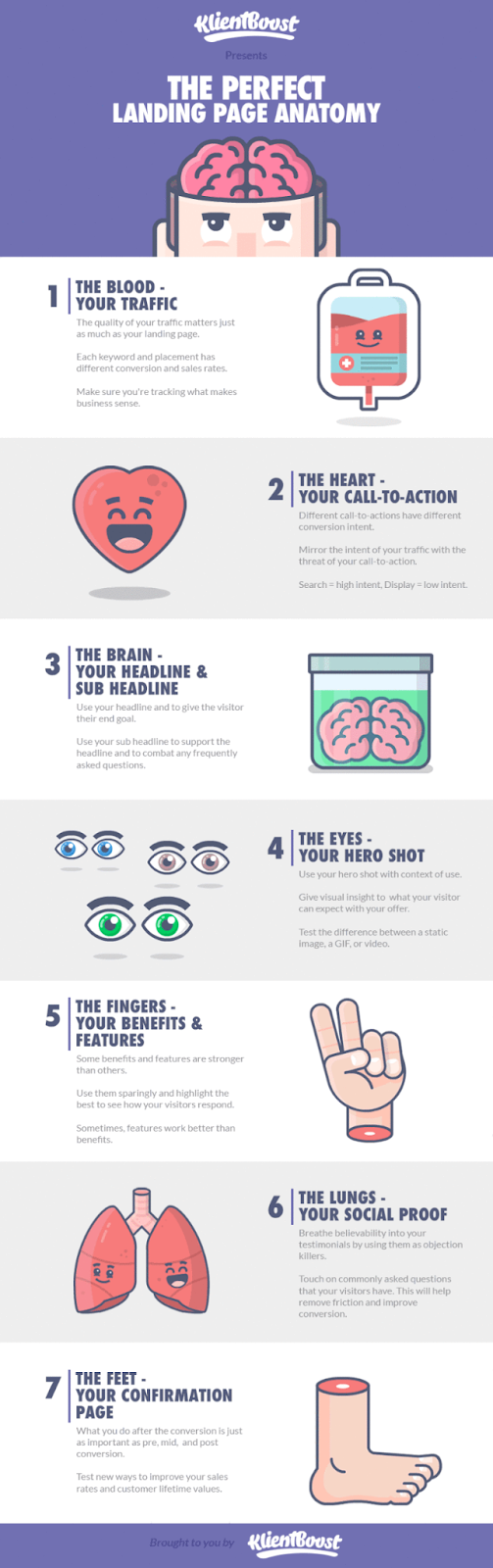
I look for message match first: the page headline should reflect what was searched, the page should quickly confirm who it’s for, and the primary action should be obvious. I also keep forms balanced - enough fields to qualify (so sales isn’t buried in noise), but not so many that only the most desperate prospects submit.
Measurement that leadership can trust
B2B Google Ads only earn trust inside a business when measurement connects to pipeline, not just clicks and raw leads. A “thank you page” conversion is a start, but it doesn’t tell me whether the account is building revenue or just producing form fills.
To make optimization rational, I want measurement that distinguishes at least three layers: true leads (demo/contact), qualified leads (SQL or equivalent), and revenue outcomes (opportunity and closed won). When I can tie those stages back to campaigns and search terms, decisions get simpler: I can cut what looks good in-platform but dies in sales, and scale what reliably becomes pipeline.
I also try to separate micro-actions (like a pricing page view) from primary conversions so they don’t pollute decision-making. Micro-actions can help with diagnostic visibility, but they shouldn’t masquerade as business outcomes.
For ongoing improvement, I keep the cadence straightforward: review search terms routinely to add negatives, refresh ads when performance stagnates, and reallocate spend based on downstream quality signals - not just CPL. Then I do deeper reviews on a monthly rhythm, comparing paid search performance to what the CRM says actually progressed.
If phone calls matter in your sales motion, make sure they’re part of the same measurement chain. Here’s a practical setup guide to track phone leads from Google Ads.
Here are four expensive mistakes I see repeatedly in B2B accounts:
-
Over-broad targeting without guardrails (vague keywords, weak negatives, and no intent boundaries)
-
Sending high-intent traffic to generic pages that try to speak to everyone
-
Ignoring lead quality feedback from sales and optimizing only to platform conversions
-
Measuring success without pipeline context, which keeps “busy” campaigns alive even when they don’t close
Benchmarks, budgeting, and ramp-up expectations
Benchmarks can be useful for setting expectations, but I treat them as reference ranges - not rules - because B2B economics vary dramatically by niche, geography, and deal size.
Sales-cycle length is a big part of that variance. Depending on the market, published benchmarks range widely - for example, Databox and Geckoboard both compile ranges that underline the same point: you’re usually dealing with months, not days.

Here are common reference ranges for B2B service lead generation on search (often seen in North America), assuming reasonably aligned targeting and landing pages:
| Metric | Typical Range (Search, B2B services) |
|---|---|
| Click-through rate (CTR) | 3% to 8% |
| Average cost per click (CPC) | $4 to $20 |
| Landing page conversion rate | 3% to 12% (visitor to lead) |
| Cost per lead (CPL) | $80 to $500 |
| Lead to SQL rate | 20% to 60% |
| SQL to opportunity rate | 30% to 70% |
| Opportunity to close rate | 15% to 40% |
The same CPL can be great or terrible depending on what happens after the lead is created. A $400 CPL can be healthy if opportunities convert and contract value is strong; a $70 CPL can be painful if the leads never qualify.
When I think about budget, I work backward from revenue targets: revenue goal → required closed deals → required opportunities → required SQLs/leads → acceptable cost per opportunity. This reframes budgeting as math tied to the business, not a guessing game tied to clicks.
I also plan for a ramp-up period. Even with a good initial build, the first 1-3 months are usually when search term filtering improves, landing page friction gets corrected, and conversion quality patterns become clear. If you want a simple operating plan for that window, reference your first 90 days with Google Ads: a plain plan.
One more reality check: B2B buyers rarely convert after a single search. Google has reported buyers may run 12 or more searches before taking action, which is why consistency and measurement matter more than “quick wins.”
Advanced levers once the basics work
Once the foundation is stable, a few advanced levers can make B2B Google Ads more predictable.
The biggest one is bringing offline outcomes back into the ad platform (for example, which leads became SQLs, which became opportunities, and which closed). When bidding and reporting can “see” downstream quality, optimization becomes aligned with revenue instead of volume. This is also where frameworks like value based bidding for B2B Google Ads start to make sense, because they force you to quantify what “good” looks like after the form fill.
I also like structured testing over constant tinkering. Clean experiments - testing a landing page variant, changing match strategy for a theme, or adjusting bidding approaches in a controlled way - tend to beat a stream of random edits because they produce learnings I can trust.
Finally, I treat data hygiene as a performance lever. If URLs break, tracking drifts, or lead sources aren’t consistently captured in the CRM, I lose the ability to make confident decisions. B2B search isn’t just about buying clicks - it’s about maintaining a reliable measurement chain from query to revenue.
Done well, B2B Google Ads become a calm, predictable engine: I can estimate what incremental spend is likely to produce, I can identify which intents pull in best-fit accounts, and I can see where the journey breaks when results slip. The channel isn’t “easy,” but when it’s built around intent and measured through pipeline, it’s one of the most controllable demand sources a B2B service business can run.



.svg)

.svg)
.svg)