
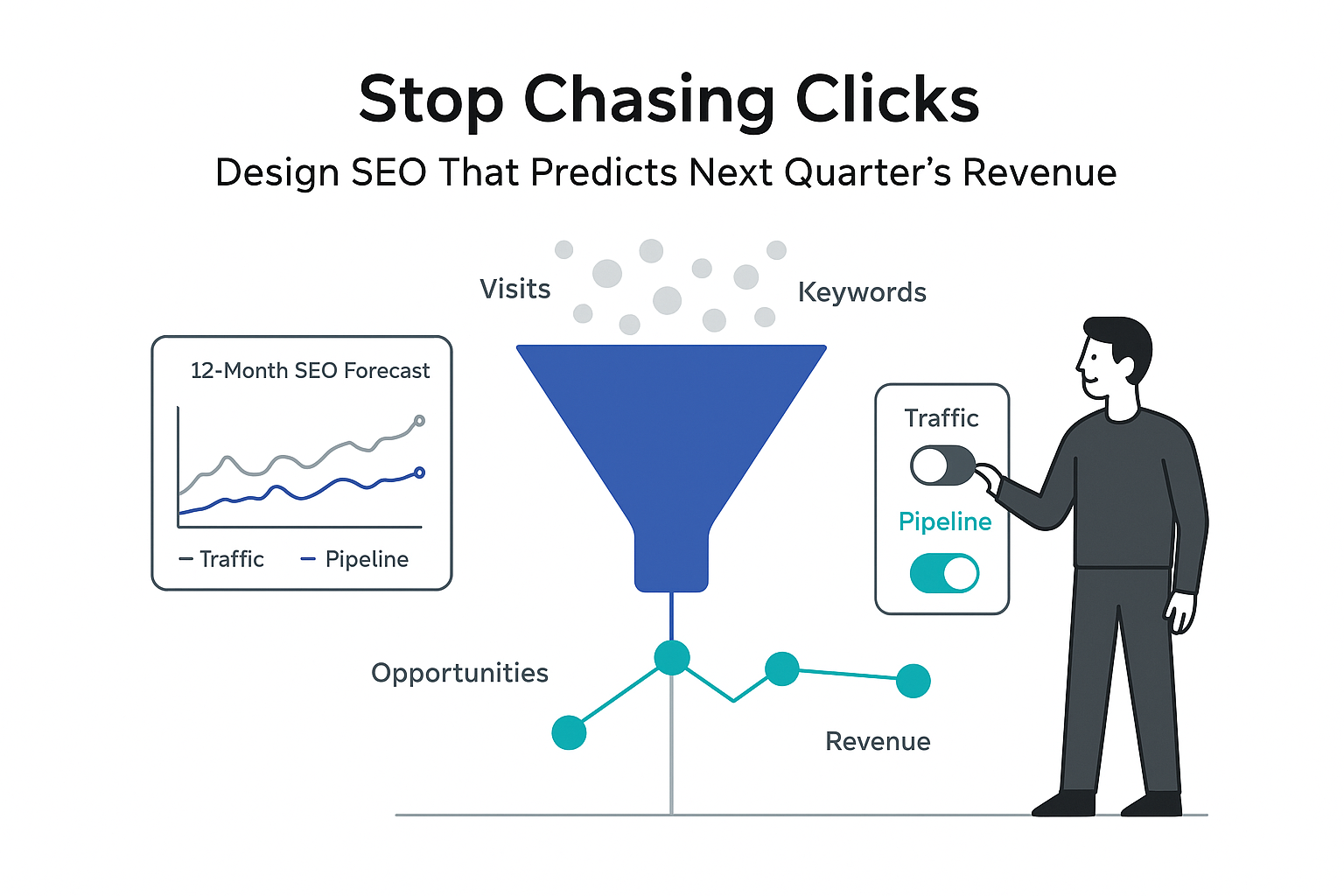
If you run a B2B service business, you probably do not care about "more traffic" in a vacuum. You care about a predictable pipeline of sales-qualified leads, bigger retainers, and a lower customer acquisition cost so your margins hold as you grow. That is where a serious approach to B2B SEO starts: not with blog ideas, but with pipeline math and designing a predictable inbound pipeline.
B2B SEO for service businesses that want predictable inbound leads
B2B SEO for service businesses is the process of turning high intent search demand from decision makers into booked conversations and signed agreements. It is not the same as "blogging a lot" or "ranking for many keywords". It is about being findable when the right people are searching for the exact problems you solve.
Done well, this kind of SEO shifts your growth from feast or famine to steady. You see:
- More SQLs that match your ideal client profile
- Larger deal sizes as you attract buyers with serious projects
- Less dependence on paid channels that keep getting pricier
In this article I walk through strategy, execution, timelines, and a simple example of how this plays out over twelve months. Think of it as an operating system for organic pipeline, not a grab bag of SEO tricks.
A simple way to picture the goal:
SEO visibility → Right-fit traffic → Qualified leads → Pipeline → Revenue
If every part of this chain works, SEO turns into a growth channel you can trust, not a vanity metric.
B2B SEO mistakes that stall organic growth
Most B2B service companies are not failing because they know nothing about SEO. They usually have a blog, some service pages, maybe an agency report full of charts. The problem is that the work is misdirected. These are the patterns that stall growth.
Chasing high volume, low fit keywords
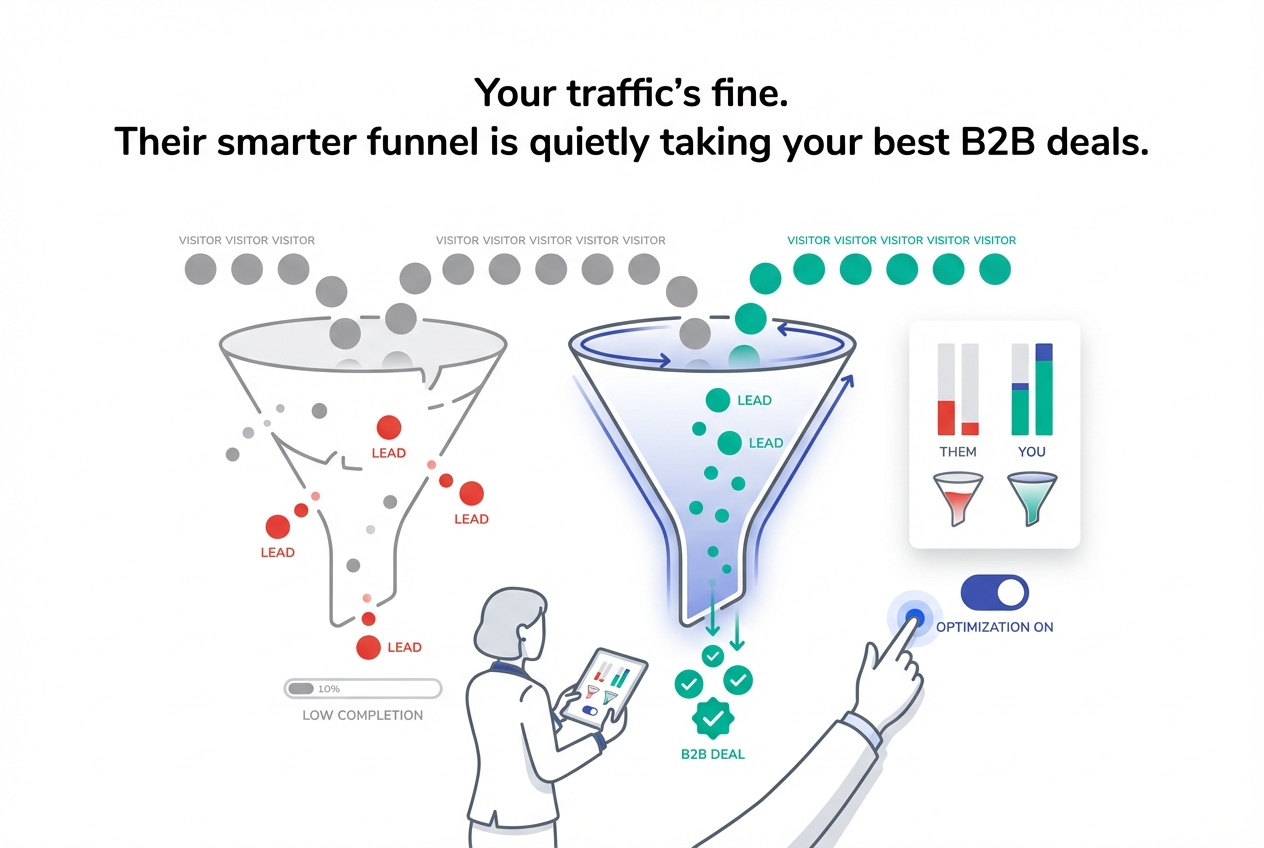
Traffic looks good. Pipeline does not. That happens when you focus on broad keywords that attract students, early researchers, or people outside your target market. You get page views and maybe newsletter signups, but few real opportunities.
Treating SEO as disconnected from sales and CRM data
If your SEO work never touches your CRM or revenue reports, it is flying blind. Content gets measured on clicks, not on SQLs or influenced revenue. That leads to more of what "wins" in analytics, not what fills your forecast.
Over gating or hiding your strongest content
Whitepapers and frameworks that actually prove your expertise often live behind forms or inside PDFs. Search engines cannot see them, and buyers who are not ready to share details bounce away. The irony is that the content that could earn trust stays invisible.
Over indexing on top of funnel blogs with no BOFU or service pages
A library of "what is X" articles with thin or generic service pages is very common. You teach people about general topics, then send them to a weak "Contact us" page. There is no bridge between learning and buying.
No clear ownership or KPIs beyond traffic
If no one owns "SEO sourced pipeline", then rankings and sessions become the default success measures. Agencies report on clicks and positions. Internal teams chase more content volume. Yet no one has a target for revenue influenced by organic search. If that sounds familiar, start to measure content's impact beyond last-click so you can see how organic actually contributes to pipeline.
The result of all this is a flat or erratic pipeline. You may see more visitors, but the sales team does not feel any real lift.
A simple way to reframe it:
| Old SEO mindset | B2B service SEO mindset |
|---|---|
| "More traffic" | "More qualified opportunities" |
| Blog posts about broad topics | Content mapped to specific services and problems |
| Monthly ranking reports | Pipeline and revenue reports |
| Content calendar driven by ideas | Content calendar driven by CRM and sales input |
Once you fix where SEO points, performance can climb even if you publish less.
B2B service SEO strategy vs other SEO models
B2B service SEO behaves very differently from SEO for product stores, local only businesses, or software platforms. If you expect it to act like a low ticket online store, you will be let down.
In B2B services, sales cycles usually last weeks or months and involve multiple conversations. Online retail often moves from search to purchase in minutes or days. Local services have shorter, sometimes urgent cycles, and many software companies compress early steps with trials or freemium plans.
Deal sizes and the level of trust required are also very different. B2B services involve high deal values and long engagements, so decision makers need deep confidence in your expertise. In online retail, orders are smaller and buyers can afford to take more risks. Local services sit somewhere in the middle, where reputation and proximity are often decisive.
Search volume and value rarely line up. B2B service keywords often have modest volume, yet each visit can be worth a lot. A single CMO searching "B2B demand generation agency for cybersecurity firms" is more valuable than one thousand visitors on "what is digital marketing". You are not only convincing one person either. There is usually a buying group: a check signer, a main point of contact, and advisors. Your content needs to speak to each role and support the full decision.
All of this makes B2B service SEO very different from B2C SEO. In B2C, searchers are often casual shoppers or acting on impulse, and success is measured in orders, app installs, or newsletter signups. In B2B services, searchers are usually managers or executives exploring high risk, high cost decisions. The content that performs best goes deep into process, risk, and ROI, backs up claims with proof, and helps a team build consensus over time. For a deeper comparison of how approaches diverge, see how consumer-focused SEO, B2B SaaS SEO differ in tactics and KPIs.
Measurement should reflect that difference. Success is not "more transactions" but "more consultations, proposals sent, and signed contracts from organic search". The KPI shift from traffic to qualified pipeline is what makes B2B service SEO worth the effort.
A small comparison table:
| Model | Main goal | Primary CTA types | Core content types |
|---|---|---|---|
| B2B services | Qualified pipeline and revenue | Consults, discovery calls, proposals | Service pages, industry pages, case studies, guides |
| Online retail | Orders and repeat buyers | Add to cart, checkout | Product pages, category pages, reviews |
| Local services | Calls and walk ins | Call, directions, booking | Local landing pages, reviews, business profile content |
| Software | Trials and demos | Free trial, demo, pricing | Feature pages, integration pages, comparison content |
Once you accept that search volume will be lower, but deal value and lifetime value are higher, you stop chasing noise and start planning around real buyers.
B2B SEO playbook to build full funnel demand
For B2B services, full funnel SEO means planning content and pages that support a buyer from first question to signed agreement. The goal is not only to catch interest at the top, but to guide people through consideration and into sales conversations.
I use a simple three step framework: first, create demand driving SEO content; second, structure your site for B2B lead generation; and third, build authority with the right links and coverage.
Here is how the funnel connects to content:
TOFU (Awareness)   → Guides, definitions, early problem content
MOFU (Consideration) → Frameworks, ROI content, use cases, detailed service info
BOFU (Decision)    → Service pages, industry pages, case studies, comparison pages
Each stage should have clear next steps that move visitors closer to a real conversation.
Step 1: Create demand driving SEO content
Content is where most teams start, yet content is also where many waste energy. The fix is to build focused topic clusters around real services and industries, tied to funnel stages.
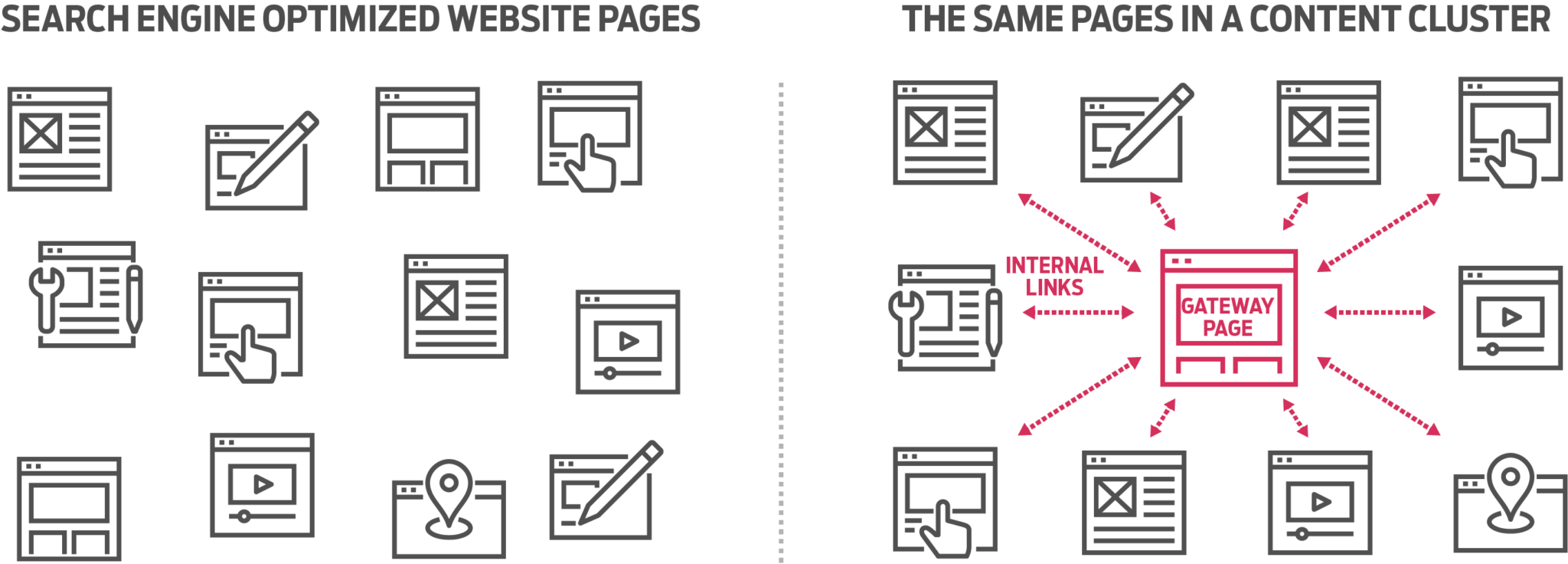
Take one service, for example "B2B paid media management for SaaS". I would build a cluster that deliberately spans the funnel. At the top of the funnel, topics such as "How to cut wasted ad spend on B2B campaigns" and "Common reasons B2B paid campaigns fail" catch early problem awareness. In the middle, pieces like "In house vs agency for B2B paid media: what actually works" and "Paid media strategy for mid market SaaS brands" help evaluators frame options. At the bottom, I rely on a main service page such as "B2B paid media agency for SaaS companies", a comparison article like "Performance agency vs general digital agency for SaaS growth", and a case study hub such as "B2B paid media results for SaaS clients".
Each piece should link to related content, especially upward toward the service page and case studies, so a reader can move naturally from education to evaluation.
Instead of starting with generic keyword tools only, I blend three inputs: language from sales calls and proposals, CRM notes about problems and triggers, and insights from keyword and search query data. Then I map terms by stage.
Top of funnel queries might sound like "how to get more qualified demos" or "why outbound campaigns are failing". Middle of funnel queries often look like "[service] strategy for [industry]" or "agency vs in house [service]". At the bottom of the funnel, I look for intent signals in queries such as "[city] B2B SEO agency for manufacturers", "[service] for [vertical] pricing", or "[competitor] alternatives". This mix catches people before they know they need you, while also picking up those already near a decision.
Because you are not selling a simple product but confidence in a team, certain formats tend to work especially well. Deep guides that show your process without giving away everything, industry specific playbooks that speak to one vertical, simple ROI calculators or worksheets that frame value, case study hubs sorted by industry and problem type, and honest comparison pages that weigh different approaches all contribute to that confidence. If you have not tested them yet, start with simple tools like the ones outlined in Use calculators and ROI tools to qualify leads.
An example cluster map for a B2B cybersecurity consulting firm:
Pillar: Cybersecurity consulting for financial firms (service page)
  ├─ Guide: Regulatory compliance checklist for mid size banks (TOFU/MOFU)
  ├─ Article: In house CISO vs external security team (MOFU)
  ├─ Case studies hub: Cybersecurity wins for financial clients (BOFU)
  ├─ Comparison: Cybersecurity consulting vs managed detection only (BOFU)
  └─ FAQ style page: Cybersecurity consulting pricing for financial firms (BOFU)
Once one cluster performs, you repeat the pattern for each service and key industry.
When I decide whether to gate content, I keep SEO and buyer psychology in mind. Material that needs to rank and build initial trust - core guides, comparison content, and key case studies - should generally stay open so search engines can read it and buyers can assess your thinking before they share details. That does not mean every asset must be free of forms. Deeper tools, templates, and detailed research can work well as gated resources. A useful pattern is to publish an indexable overview page that explains the asset, shares highlights, and then offers a download for those who want the full version, or to repurpose pieces of gated content into blogs or guides. This keeps SEO performance strong while still capturing leads from people who are ready for deeper engagement.
Step 2: Structure your site for B2B lead generation
Many B2B sites feel like a content graveyard. Useful pieces exist, but there is no clear path from a blog post to a proposal. Site structure fixes that.
I often use a hub and spoke architecture built around three main hubs: services, industries or verticals, and resources. Each hub has a main page that links to more specific pages. For example, a services hub might lead to SEO, paid media, and analytics; an industries hub might lead to SaaS, manufacturing, professional services, and health care; and a resources hub might gather guides, webinars, and research.
Your top of funnel content should link up to the most relevant service and industry pages. Those, in turn, should highlight case studies and clear next steps. Over time, this creates natural pathways through your site rather than isolated pieces of content. For more on doing this deliberately, see how internal linking that grows revenue-driving pages works in practice.
A simple pattern for high converting service and industry pages works well in many B2B contexts:
- Clear headline that mirrors search intent, for example "B2B SEO services for industrial manufacturers"
- Short summary in plain language about the outcome you deliver
- Concise list of problems you solve
- Process overview that explains how you work from audit to results
- Social proof such as logos, client quotes, and short results highlights
- Specific FAQ content that removes common doubts
- Simple way to start a conversation
The copy should stay focused on results and proof. Screenshots of dashboards can help, but clarity about outcomes and next steps matters more. If you sell software or complex services, it is worth revisiting your solution and service pages with a B2B lens; this breakdown of B2B SaaS solution page SEO shows how to structure them for both search and conversion.
Some page types tend to move the needle more than others for B2B service firms. Core service pages that speak clearly to one main offer, industry or vertical pages that show you understand specific contexts, solution or use case pages that map your work to concrete problems, detailed case studies that prove outcomes with numbers and quotes, comparison and "alternatives" content that helps buyers weigh their choices, pillar guides and resource hubs that anchor topic clusters, and focused FAQ-style sections that handle objections and practical questions usually earn disproportionate impact. For example, a "B2B SEO services for manufacturers" page can be supported by a guide to "digital lead generation for industrial companies", a set of manufacturing case studies, and a comparison page that weighs agencies against in house teams.
Social proof deserves its own attention. Reviews, case studies, and testimonials are often scattered instead of structured. If you do not yet have a consistent approach, start building a simple review program that earns trust fast so proof is easy to find across your key service and industry pages.
I also think deliberately about conversion paths across the site. A likely journey might look like blog post → in depth guide → case study → consultation request. You can encourage that journey by adding relevant prompts in blogs that point to deeper guides or frameworks, highlighting case studies or service pages inside guides, and using contextual links in case studies to explain which service and industry each story fits. Wireframing those journeys on paper or in a simple diagram can help ensure every new piece of content has both a natural home and a logical next step.
Step 3: B2B link building to earn authority coverage
In B2B services, you rarely get huge surges of links from random blogs. You win by earning coverage and mentions from relevant sites that your buyers and search engines both take seriously.
To do that, it helps to create link worthy assets. Strong candidates include original research or surveys about your industry, annual "state of" reports or benchmarks, clear frameworks that others can reference, simple calculators or tools, and case studies that include real numbers. These are the types of pieces editors, partners, and analysts can comfortably cite when they write on related topics.
I think about link acquisition in two modes. Passive acquisition comes from publishing content that ranks for "research" and "statistics" style queries so that, over time, writers and marketers naturally link to it as a source. Proactive acquisition comes from reaching out to podcasts, events, and partner companies, contributing useful insights, and earning links back to core resources or service pages as part of that collaboration. Neither mode alone is enough; a mix of both keeps authority growing.
Not all links are equal, so I qualify them before investing time. Relevance matters: does the site serve a similar audience or industry? Authority matters: does it rank for real terms and get real traffic? Placement matters: will the link sit inside useful content, not in a random footer or directory? A small number of strong links from relevant B2B sites can move the needle more than dozens of low quality links.
You do not need a massive outreach machine. For many B2B service firms, a light process works: identify a manageable list of sites, podcasts, and newsletters that influence your buyers; offer helpful contributions such as guest content, expert quotes, data, or joint research; and, when it fits, suggest a natural link to one of your best assets. Sharing new content through channels like LinkedIn, your email list, and partner networks increases the odds that people actually see and reference it, so links become a side effect of being visible and useful to the right circles.
Technical SEO for B2B service websites
Technical SEO does not close deals by itself, but weak foundations can drag everything down. The goal is a site that loads fast, is easy for search engines to read, and feels smooth for users on any device.
I usually start with a technical audit using a site crawler together with data from Search Console to check for:
- Crawlability issues such as blocked sections or broken internal links
- Indexation problems such as pages that should be visible but are not
- Duplicate or thin pages that add noise
- XML sitemaps and how well they reflect your real structure
Fixing these gives your content a fair shot at performing.
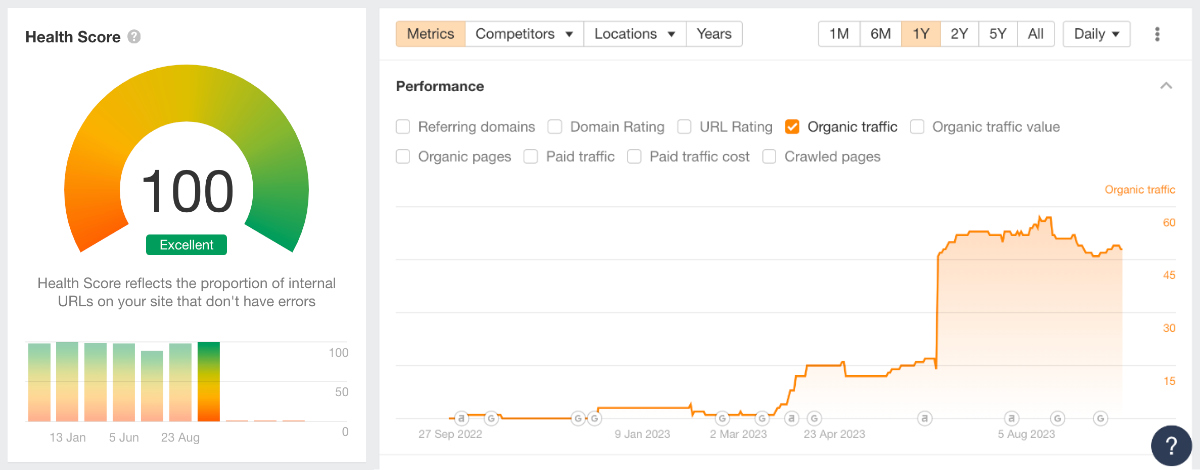
Speed and Core Web Vitals metrics also matter. Slow pages cost you leads and rankings. Work with your developers to compress and properly size images, reduce heavy scripts and tracking that slow the page, and implement sensible caching on a solid hosting setup. Metrics like Largest Contentful Paint and Cumulative Layout Shift map closely to how "snappy" your site feels.
Decision makers search on phones as often as on laptops, so mobile user experience needs attention. Layouts should adapt well on smaller screens, text should be readable without zooming, and buttons should be easy to tap. Use HTTPS everywhere so browsers mark your site as secure. Simple structured data such as Organization, Service, FAQ, and Review schema helps search engines better understand what you do and who you help. If you are unsure where to begin, this overview of Schema for B2B lead generation: what to implement and why breaks down the must-haves.
Your marketing and revenue teams will typically rely on a mix of keyword research tools, crawling tools, Search Console data, and analytics platforms to monitor performance. From a leadership seat, you do not need to live inside these systems. What matters is that you see clean, regular reporting that ties technical work and content work back to pipeline and revenue trends, not just traffic charts.
B2B SEO case study and 12 month roadmap
To make this concrete, consider a consulting company that sells revenue operations services to B2B SaaS and professional services firms. Imagine its starting point looks like this: monthly organic sessions around 5,000, many top 10 positions for broad marketing terms but few for service specific ones, roughly four SQLs from organic per month, and about 40,000 dollars in monthly pipeline from organic.
In quarter 1, the focus is on audit, strategy, and quick wins. The team completes a full audit of content, site structure, and technical health, maps CRM data to content to see which pages feature in closed won deals, cleans up duplicate posts, merges thin content, fixes technical errors, and creates or upgrades a small set of bottom of funnel service and industry pages. By the end of Q1, organic sessions are steady, SQLs from organic rise from four to six per month, and there are early signals that new service pages are picking up impressions.
Quarter 2 is about core content and BOFU build out. The company builds three topic clusters around key services such as "RevOps consulting for SaaS", publishes detailed guides and case study hubs that tie into those services, restructures navigation to highlight services and industries clearly, and adds clear, low friction ways to request assessments from high intent pages. By the end of Q2, organic sessions are up roughly 25 percent, SQLs from organic reach about ten per month, and pipeline from organic approaches 90,000 dollars per month.
In quarter 3, attention shifts to authority building and conversion optimization. A data backed "state of RevOps" report launches and earns mentions and links. Team members appear on podcasts and webinars that link back to key resources. Tests on service pages refine headlines, proof, and forms based on user behavior, and internal linking between top, middle, and bottom funnel content becomes stronger. By the end of Q3, organic sessions are up around 45 percent versus baseline, lead quality improves as more visitors arrive through bottom and middle funnel pages, SQLs from organic reach roughly sixteen per month, and pipeline from organic crosses 160,000 dollars per month.
Quarter 4 focuses on scaling winners and expanding segments. The team identifies top performing clusters and creates supporting content for adjacent topics, spins up new industry pages for two verticals that showed promise during the year, refreshes early content with new insights and data, and refines reporting so leadership can see organic influence on bookings by segment. By the end of Q4, organic sessions are roughly double the baseline, SQLs from organic sit between eighteen and twenty per month, and monthly pipeline from organic reaches around 220,000 dollars. Customer acquisition cost from organic drops compared to paid channels, which lets the company shift budget with more confidence.
A simple graph of the trend might look like:
Pipeline from organic (per month)

Q1: |####                |  ~40k
Q2: |########            |  ~90k
Q3: |##############      | ~160k
Q4: |####################| ~220k
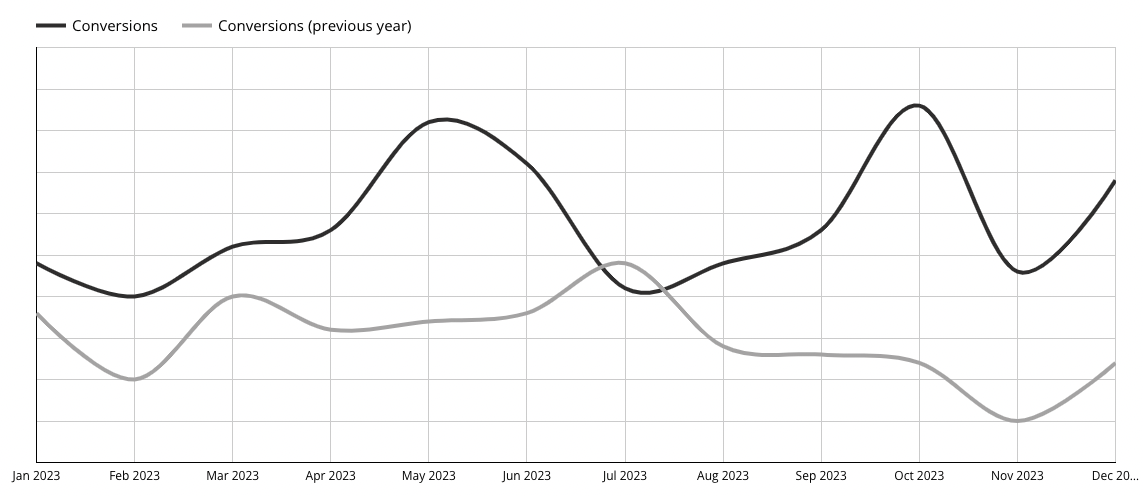
Timelines always depend on your starting point and competitive landscape, but patterns like this repeat often. In the first 30 to 90 days, technical fixes and smarter internal linking usually deliver small wins and better performance from pages that already rank, especially if you also improve core service pages. Between three and six months, new middle and bottom of funnel content generally starts to climb in rankings, and many teams see their first clear lift in SQLs from organic. From six to twelve months and beyond, topic clusters mature, authority builds through links and mentions, and you can reach a more stable flow of qualified leads each month.
B2B SEO action plan: what you should do now
If you are a CEO or founder, the point of all this is simple. You want a channel that brings in qualified opportunities without burning cash on ads or forcing your team to rely only on outbound.
The first move is to get clear on where you stand. That means understanding which current pages influence revenue, where the funnel has gaps, and whether your site structure helps or hurts conversion. Even a short internal review that connects analytics with CRM data already puts you ahead of many rivals who only look at traffic.
From there, it is more effective to focus on a small set of priorities than on a flood of disconnected tasks:
- Fix the glaring technical issues that keep good content from ranking
- Build or upgrade a handful of strong service and industry pages
- Create one or two complete topic clusters around your highest value services
- Put in place simple tracking that links organic visits to real pipeline
Many firms reach a point where doing all this with in house talent alone becomes tough. At that stage, some choose to work with specialized B2B SEO partners, others expand their internal team. Whatever model you prefer, the important thing is that someone owns strategy, content, technical work, and reporting in a way that stays tied to revenue goals, not just traffic charts.



.svg)

.svg)
.svg)