
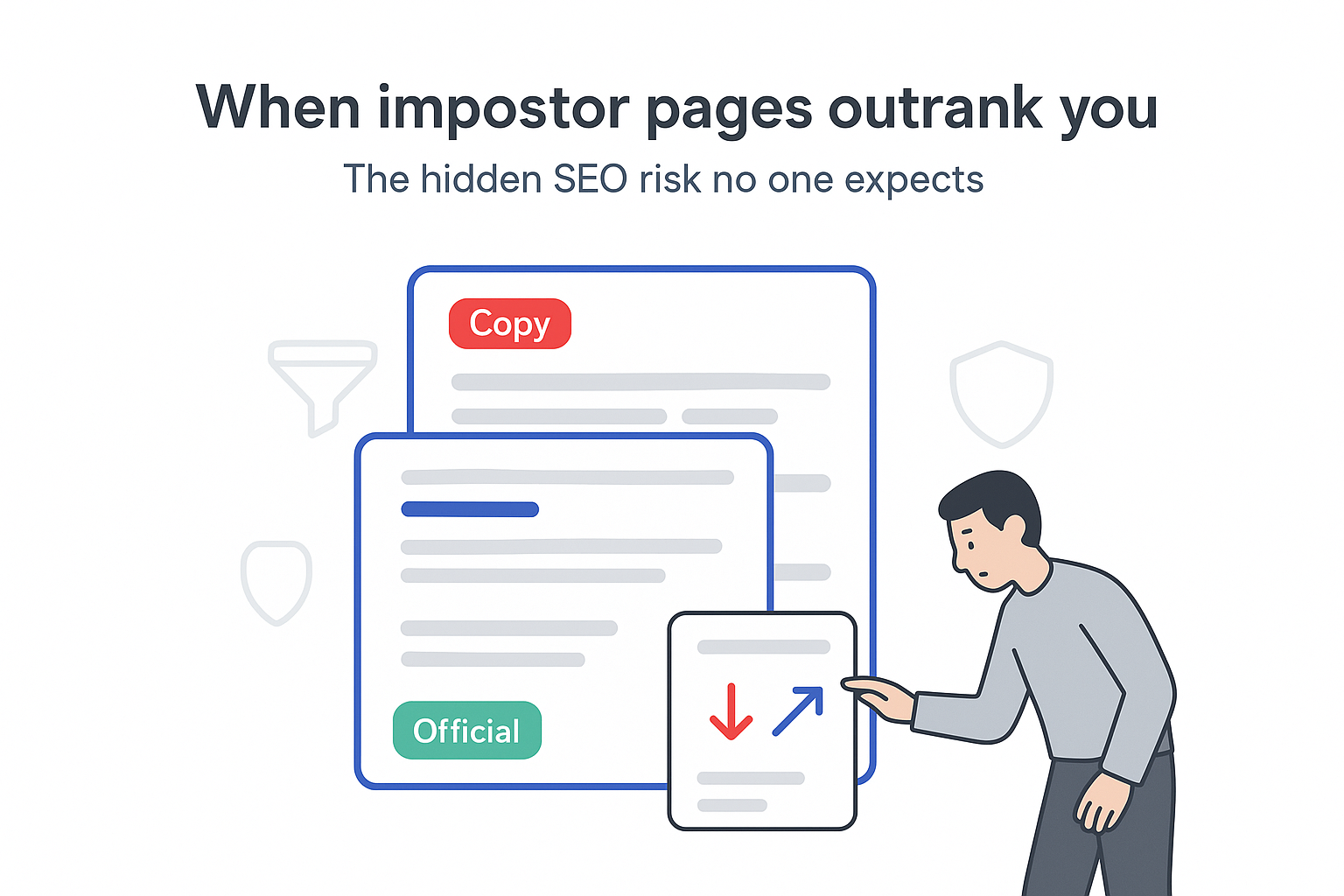
On March 5, 2026, NanoClaw creator Gavriel Cohen said major search engines were surfacing an impostor NanoClaw site ahead of his official domain, raising security and trust concerns for users discovering the open source project via search.
Cohen, a software engineer and former Wix developer, posted a thread on X detailing searches in which nanoclaw.net - a site he does not control - outranked his official nanoclaw.dev domain. Hacker News users quickly replicated his queries and reported similar patterns across multiple search engines.

Key Details
- Cohen is a software engineer and former Wix developer who created NanoClaw, an open source AI agent framework that he says has more than 18,000 GitHub stars.
- Cohen launched NanoClaw in early February 2026 as a security focused alternative to OpenClaw, according to The New Stack. At launch, the GitHub repository served as the primary project page.
- Around February 8, an unknown party registered the domain nanoclaw.net. Cohen says the site hosts auto generated content scraped from the NanoClaw GitHub README and presents inaccurate information about the project.
- As NanoClaw gained coverage - VentureBeat covered it, and The Register profiled Cohen - users began contacting him about problems and confusing details on nanoclaw.net. Cohen states that he does not control this domain.
- Cohen later created the official site at nanoclaw.dev, linked it from the GitHub repository, added structured data, and submitted the site through Google Search Console. He also requested removal or intervention regarding nanoclaw.net from Google, Cloudflare, and the domain registrar.
- In tests on March 5, detailed in Cohen's follow up post about search engines ranking a fake website above his project's real site, nanoclaw.net appeared above nanoclaw.dev for the query "NanoClaw" on Google. Cohen reported that nanoclaw.dev did not show up in the first several pages of Google results.
- Cohen says the impostor site includes incorrect project information and falsified publication dates. He called the situation "a live, active security risk," citing the potential for future content changes that could mislead users or distribute malicious code.
Background Context
According to Cohen and participants in the associated Hacker News thread, the ranking issue extends beyond Google.
In one Hacker News comment, a user reported nanoclaw.net ranking first on DuckDuckGo and third on Kagi for "NanoClaw," with nanoclaw.dev absent from DuckDuckGo results.
Another found similar patterns on Bing, Brave, Ecosia, and Qwant, where nanoclaw.net appeared in top positions for the same query. According to that comment, Mojeek was the only tested engine that ranked nanoclaw.dev and excluded nanoclaw.net.
The initial discussion about Cohen's complaint reached roughly 315 points and more than 150 comments within hours, according to the Hacker News thread. Participants shared additional screenshots and search tests across regions and browsers to confirm that the impostor domain consistently outranked the official site.
Earlier coverage from The New Stack, VentureBeat, and The Register described NanoClaw as a security oriented approach to AI agents compared with OpenClaw. The Register's profile highlighted NanoClaw's container based model execution and focus on isolation.
Some Hacker News commenters also offered concrete advice on how Cohen might respond, including additional technical steps, legal options, and direct outreach to search providers.
A separate 2021 article in Search Engine Journal summarized comments from Google Search Advocate John Mueller about copied content rankings. Mueller said that when copied content consistently outranks an original source, it can indicate a broader site quality issue and recommended reassessing overall site quality signals in such cases, according to the report available here.
At the time of Cohen's March 5 posts, none of the sources cited in these discussions had reported a public Google statement specific to the NanoClaw case.
Source Citations
Cohen's description of the ranking issue, remediation steps, and security concerns appears in his X posts, compiled in a thread on X. Search engine behavior reports and community reactions come from the associated Hacker News thread and individual comments cited above.
Launch timing and positioning of NanoClaw relative to OpenClaw are drawn from coverage by The New Stack. Security framing and adoption details are further documented in reports from VentureBeat and The Register.
Background on Google's prior public guidance regarding copied content rankings comes from a 2021 Search Engine Journal report on John Mueller's statements, available here.






.svg)

.svg)
.svg)