
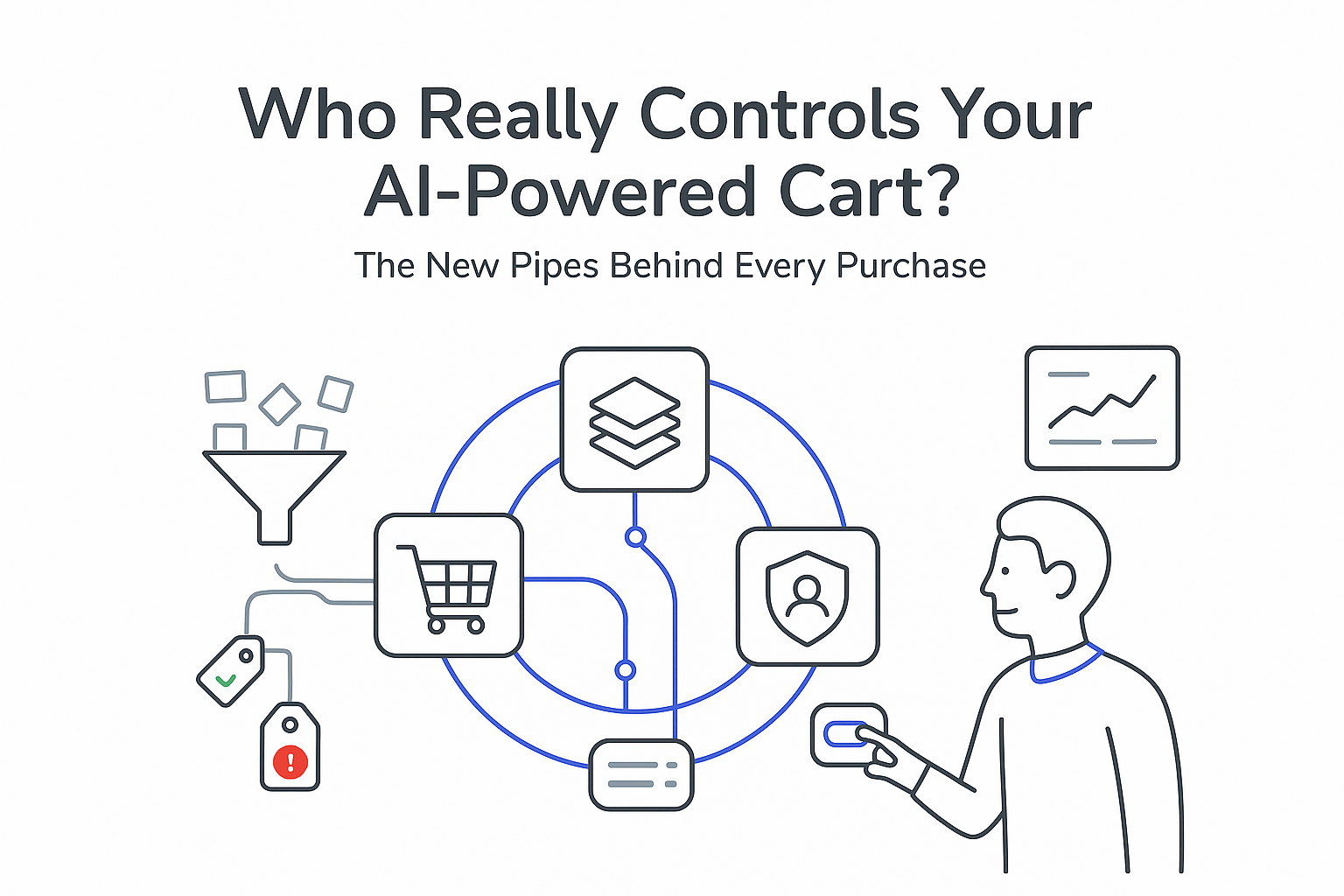
Google has announced new capabilities for its Universal Commerce Protocol (UCP), along with related onboarding updates, in a March 19, 2026 post on its Shopping blog. The changes affect AI shopping agents, retailer integrations, and Google Merchant Center workflows across Google surfaces.

Key details
The Universal Commerce Protocol is an open standard that Google developed with industry partners to streamline online shopping flows. The latest update adds optional capabilities that retailers and platforms can implement as needed.
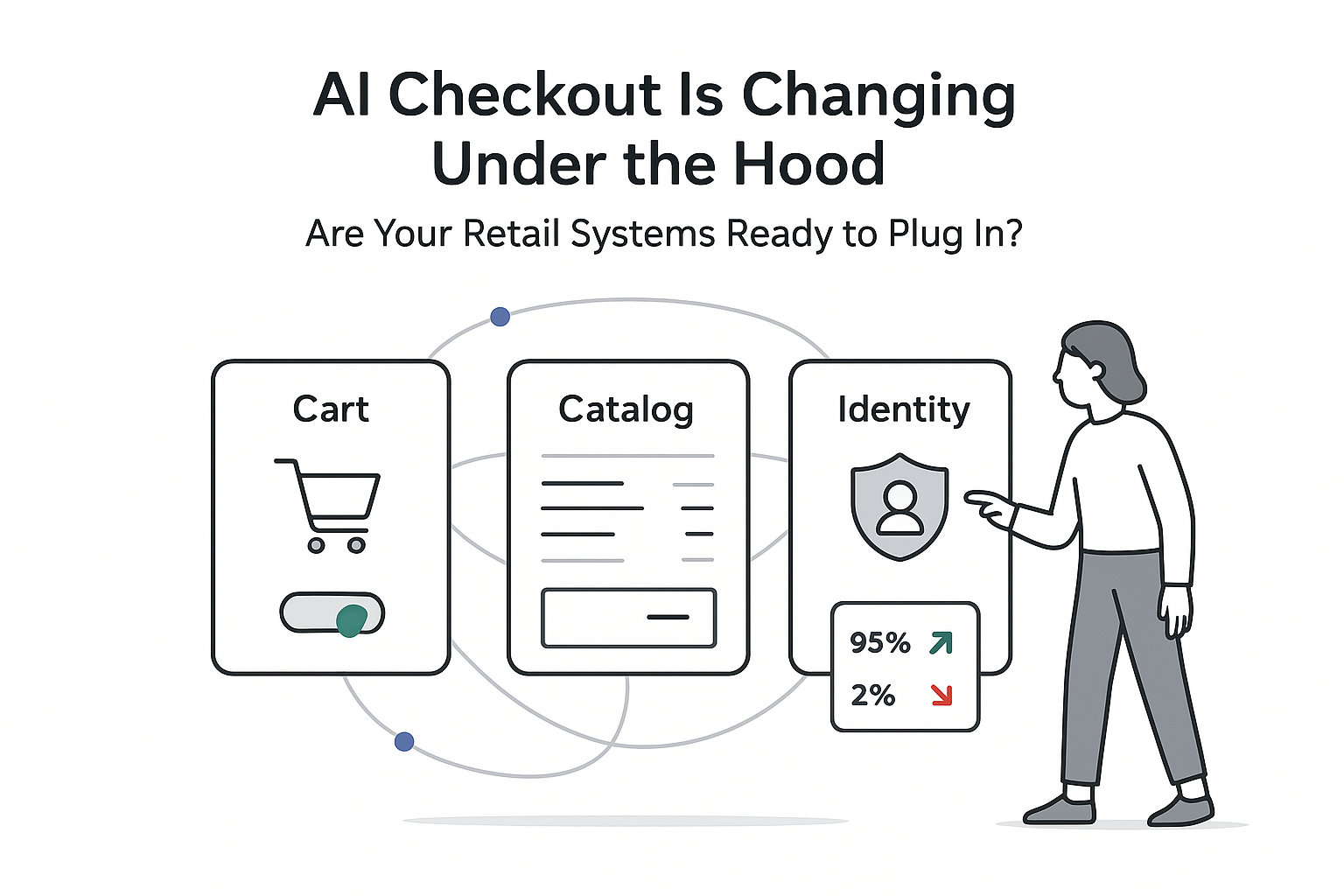
- A new Cart capability lets AI agents add multiple items from a single retailer to a cart in a single action.
- A Catalog capability lets agents request selected real-time data from retailer catalogs, including product variants, inventory levels, and pricing.
- Identity Linking support lets logged-in shoppers on UCP-integrated platforms receive retailer loyalty or membership benefits, such as special pricing or free shipping.
- UCP adopters can choose which capabilities to support and customize the shopping experiences they offer.
- Google plans to apply relevant UCP capabilities in AI Mode in Search and in the Gemini app.
- Google is rolling out a simplified UCP onboarding flow in Merchant Center over the coming months, with details in its onboarding guide.
- Commerce Inc, Salesforce, and Stripe have announced UCP support on their platforms, with implementations described as coming soon.
- Google labels the post's AI-generated summary and listen-to-article audio as experimental features.
Background context
Google introduced the Universal Commerce Protocol at the NRF 2026 conference as an open industry standard designed to make online shopping easier for retailers, platforms, and shoppers. UCP defines how AI agents can interact with retailer systems for product discovery and transactions.
Earlier documentation covered core protocol objects and workflows such as products, carts, checkout, and orders. The new Cart and Catalog modules extend these foundations while remaining optional for adopters. Identity Linking builds on existing identity standards to connect shopper accounts and loyalty programs across UCP-integrated platforms.
Google notes that participating retailers can control what data they share and which protocol features they support. UCP specifications and drafts, including for Cart, Catalog, and Identity Linking, are publicly available for community review and contribution.
Source citations
- Google blog announcement "AI shopping gets simpler with Universal Commerce Protocol updates" (March 19, 2026)
- Google CEO remarks introducing UCP at NRF 2026: "NRF 2026 remarks"
- Original UCP and agentic commerce announcement for retailers and platforms: "Agentic commerce: AI tools and protocol for retailers and platforms"
- UCP Cart draft specification: https://ucp.dev/draft/specification/cart/
- UCP Catalog draft specification: https://ucp.dev/draft/specification/catalog/
- UCP Identity Linking specification: https://ucp.dev/latest/specification/identity-linking/
- Google Merchant Center help page for UCP onboarding: https://support.google.com/merchants/answer/16837055
- Commerce Inc press release on Google UCP collaboration
- Salesforce news story on Google Universal Commerce Protocol support
- Stripe blog on agentic commerce trends and UCP




.svg)

.svg)
.svg)