
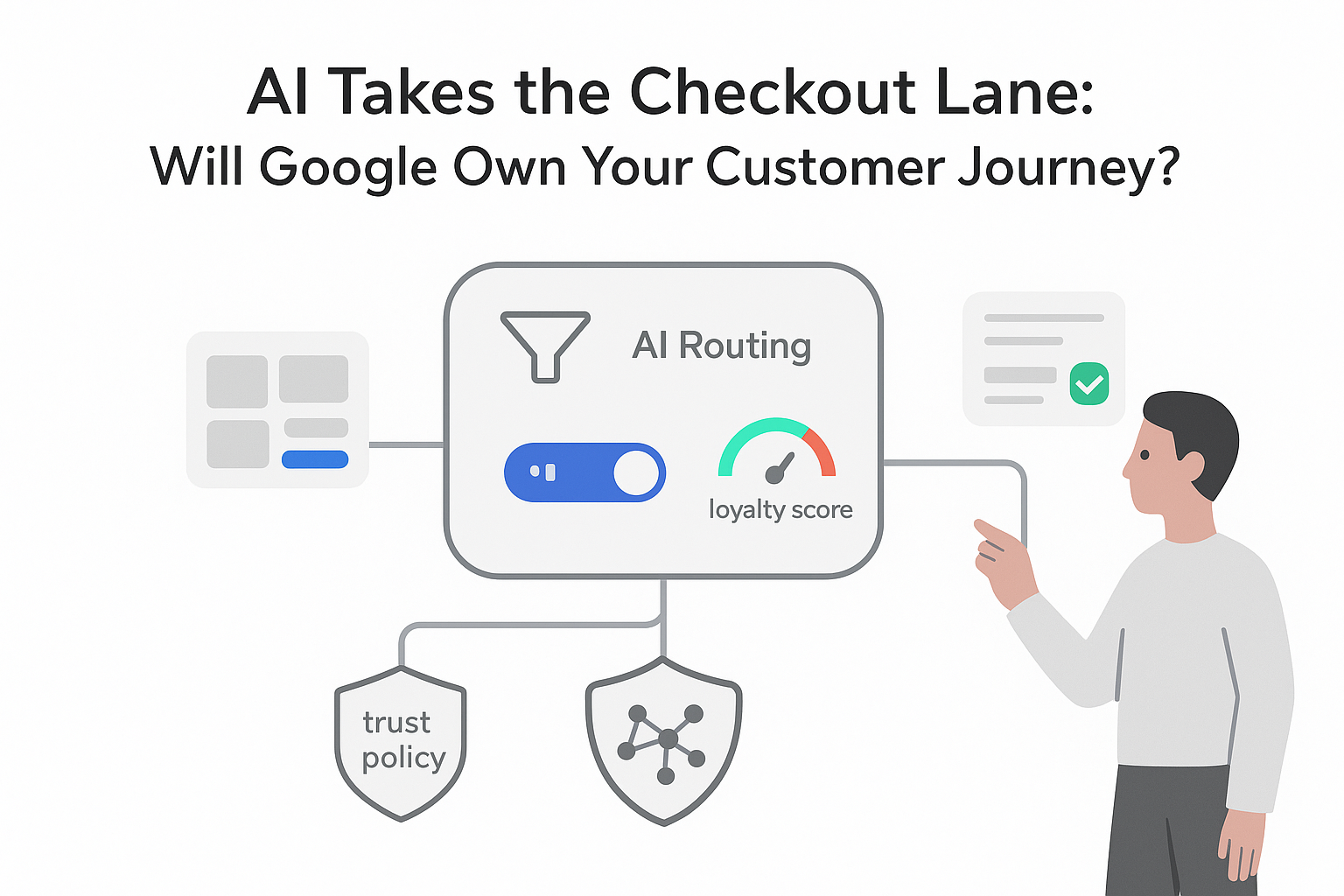
On January 11, 2026, Google announced new AI-driven commerce standards and tools for retailers in a blog post by Vidhya Srinivasan. The updates focus on agentic shopping experiences across Google Search, the Gemini app, and Google Ads surfaces in the United States.

Key Details on Google’s Agentic Commerce Announcement
Google outlined several updates that connect retailers to agentic shopping experiences across Search, Gemini, and Google Ads:
- Launch of the Universal Commerce Protocol (UCP), an open standard for agentic commerce that supports discovery, purchase, and post-purchase support across Google and partner experiences.
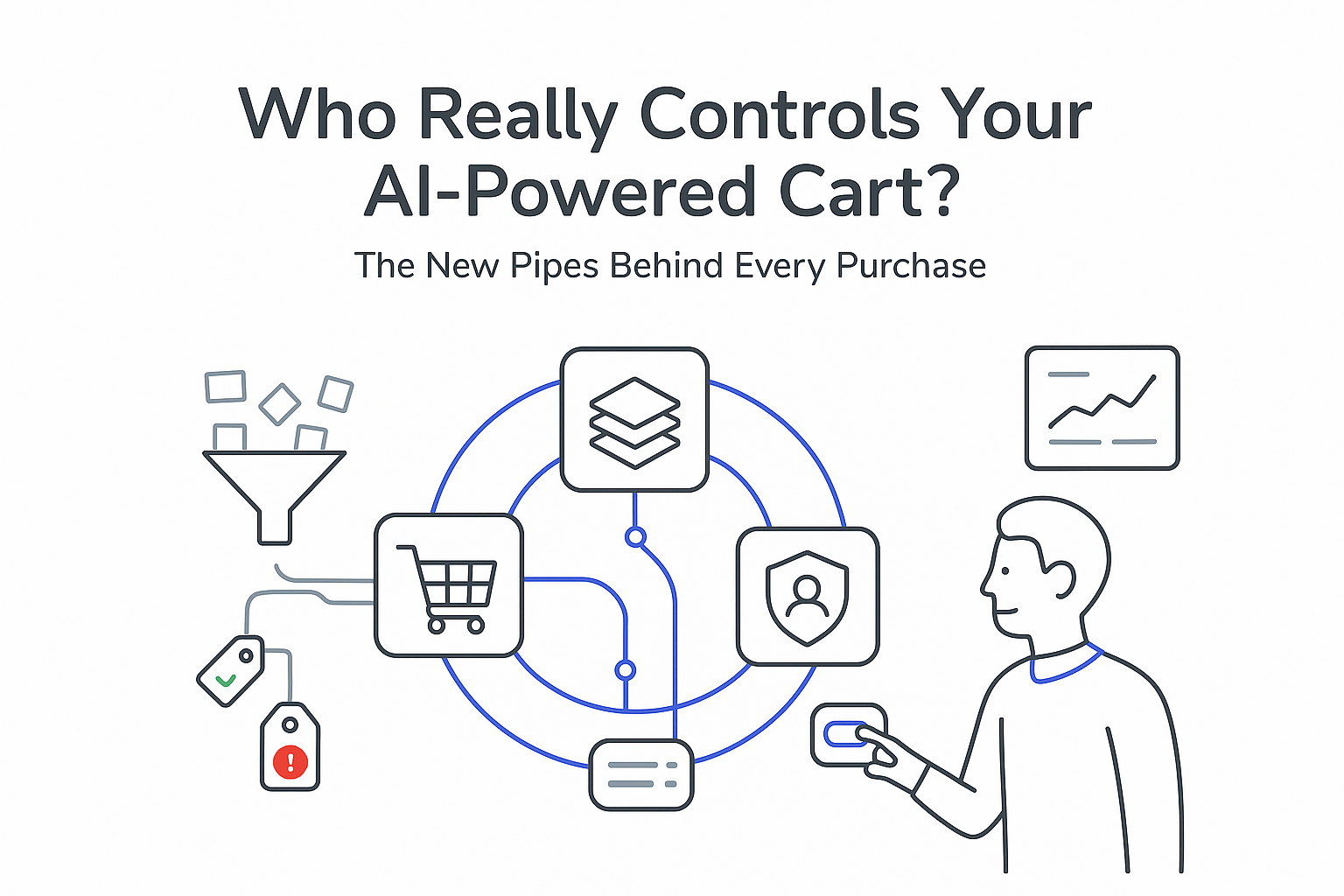
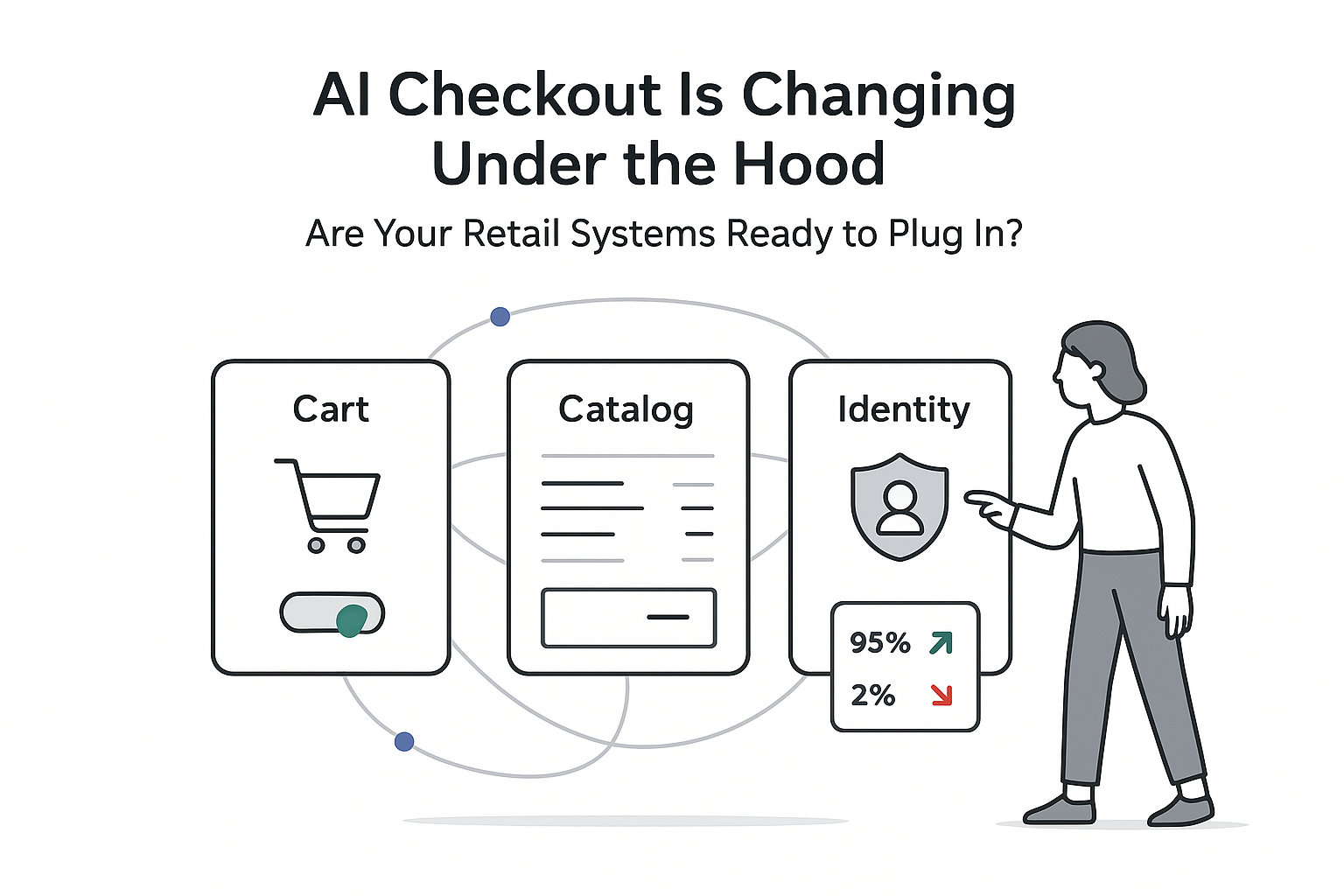
- UCP introduces a shared data language so AI agents, retailers, platforms, and payment providers can communicate across different systems and surfaces.
- A new Business Agent experience that lets shoppers chat with brands on Google Search, with responses in each brand’s voice.
- Dozens of new Merchant Center data attributes that improve retailer visibility in conversational shopping across AI Mode, Gemini, and Business Agent.
- Ongoing tests of ads in AI Mode and a new Google Ads pilot called Direct Offers, which surfaces exclusive discounts to shoppers.
- UCP was co-developed with partners including Shopify, Etsy, Wayfair, Target, and Walmart, and is endorsed by more than 20 additional companies.
- All updates are framed around agentic commerce, where AI systems can complete specific shopping tasks, including checkout, on behalf of users.
Background Context and Technical Overview
Google describes agentic commerce as AI taking actions on a user’s behalf across the shopping journey. Earlier work in this area included shopper-facing tools and the Agent Payments Protocol (AP2), which aims to make agent-led payments seamless and secure.
The new Universal Commerce Protocol extends this work by coordinating discovery, buying, and support features through a common specification designed to work across industries and shopping categories. Documentation for UCP is publicly available at ucp.dev.
According to Google, UCP is compatible with existing standards such as Agent2Agent (A2A), the Agent Payments Protocol (AP2), and the Model Context Protocol (MCP). This interoperability is intended to help retailers and technology partners integrate UCP into broader AI agent ecosystems.
Google states that UCP was co-developed with Shopify, Etsy, Wayfair, Target, and Walmart. More than 20 other companies including Adyen, American Express, Best Buy, Flipkart, Macy’s Inc., Mastercard, Stripe, The Home Depot, Visa, and Zalando have publicly expressed support for the protocol.
Product Rollout, Retail Use Cases, and Pilot Programs
UCP-powered checkout in AI Mode and Gemini
Google reports that UCP will soon power a new checkout feature on eligible product listings in AI Mode and the Gemini app. Shoppers in the United States will be able to complete purchases from eligible retailers while researching products on these surfaces.
The checkout experience is built on Google Pay, using payment methods and shipping details saved in Google Wallet. Google says PayPal support will be added, and that retailers will remain the seller of record with flexible integration options.
Google plans to expand UCP-powered checkout to more countries over the coming months. Planned additions include related product discovery, loyalty reward application, and more customized shopping flows on Google surfaces.
Business Agent in Google Search
Business Agent allows eligible U.S. retailers to enable a branded conversational agent directly in Search via Merchant Center settings. Google compares this to a virtual sales associate that can answer product questions and guide shoppers toward relevant items.
According to Google, Business Agent will launch with partners including Lowe’s, Michael’s, Poshmark, and Reebok. Retailers will be able to train the agent on their own data, access customer insights, and support direct purchases, including agentic checkout experiences.
Merchant Center data for conversational shopping
Google is adding dozens of new data attributes in Merchant Center to support discovery in conversational shopping experiences. These attributes can capture information such as common product questions, compatible accessories, and suggested substitutes.
Google states that the rollout will begin with a small group of retailers and expand over time, with the goal of making retailer data more useful to AI agents across Search, Gemini, and Business Agent.
Direct Offers pilot in AI Mode
Direct Offers is a new Google Ads pilot that presents exclusive deals, such as percentage discounts, within AI Mode results. Retailers define eligible offers in campaign settings, and Google AI determines when an offer is relevant to show during a shopper’s query.
Google says the initial focus for Direct Offers is discounts, with planned support for bundles and free shipping in future iterations. Brands participating in the pilot include Petco, e.l.f. Cosmetics, Samsonite, Rugs USA, and Shopify merchants.
Across these initiatives, Google positions agent-based conversations and automated actions as the foundation for how retailers will engage and convert shoppers on its platforms.




.svg)

.svg)
.svg)